
2026 Top Louvered Roof Panels Buying Guide for Buyers?

The 2026 market for Louvered Roof Panels is becoming more practical, not merely more fashionable. Homeowners now expect shade, airflow, rain protection, and year-round outdoor comfort. The details matter.

The Freedonia Group reports continued demand for outdoor living products as homeowners invest in functional exterior spaces. Fortune Business Insights also identifies residential renovation and premium outdoor areas as important growth drivers. However, market forecasts vary by region, product definition, and installation type. Treat headline growth figures carefully. They do not guarantee value for every buyer.

Paul Renson, CEO of Renson, describes the wider movement simply: “Outdoor living is the new living.” That idea sounds persuasive. It also raises harder questions. Can the roof withstand local wind conditions? Does the motor have suitable weather protection? Are the aluminum blades thick enough for repeated operation? Buyers should compare drainage design, blade rotation, control systems, snow ratings, warranties, and installer experience. A beautiful showroom model may hide weak seals or difficult maintenance access.

This 2026 buying guide examines leading Louvered Roof Panels through those practical details. It considers coastal corrosion, winter performance, smart-home compatibility, energy use, and total installation cost. Product ratings alone are insufficient. Real performance depends on engineering, climate, workmanship, and after-sales support. Some comparisons remain imperfect because manufacturers disclose different testing methods. That limitation deserves attention. A careful buyer should request load documentation, written warranty terms, maintenance instructions, and project references before signing. Good planning protects the patio. It also protects the budget.
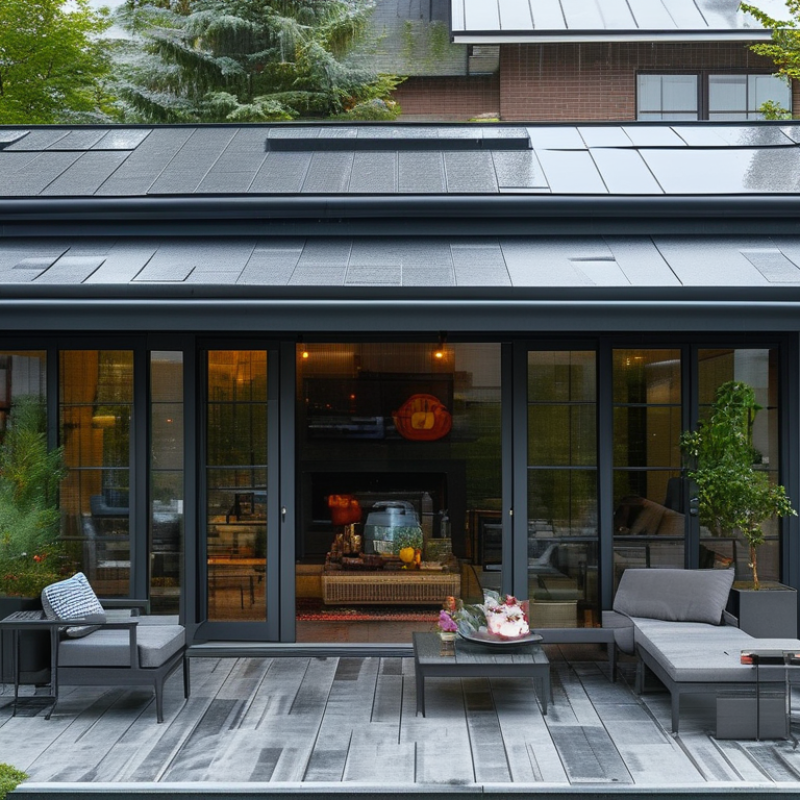
2026 Top Louvered Roof Panels Buying Guide for Buyers?

What Are Louvered Roof Panels and How Do They Work?

What Are Louvered Roof Panels and How Do They Work?

Louvered roof panels are adjustable slats fitted into an outdoor roof structure. They open or close to control sunlight, airflow, and rain. Most systems use powder-coated aluminum because it is light, rigid, and resistant to everyday weather exposure. A motor turns the slats through a remote control, wall switch, or smart controller. Some models include rain and wind sensors. The roof can close when clouds gather, keeping chairs and flooring drier.

When the louvers open, sunlight reaches the patio and warm air escapes through the gaps. When they close, overlapping slats form a protective surface. Rainwater usually flows into hidden channels, then travels through posts and exits near the ground. Good drainage matters. A small blockage can create dripping, staining, or standing water. Buyers should inspect channel size, outlet placement, and access for cleaning.

A practical check is to stand beneath a sample panel during operation. Listen for grinding or uneven movement. The motor should move steadily, without sudden pauses. Strong wind can still affect an open roof, so local wind conditions and structural anchoring deserve professional review. I would not treat a rain sensor as a complete maintenance plan. Leaves, dust, and ice may still interfere with movement. Installation quality often matters as much as the panel material, yet buyers sometimes focus only on appearance and price. That choice can become expensive later.

Which Louvered Roof Panel Materials and Designs Are Available?

When comparing louvered roof panels in 2026, consider climate, roof span, and maintenance needs. Powder-coated aluminum is lightweight, corrosion-resistant, and suitable for humid outdoor areas. Its surface can still scratch during installation, so protective handling matters. Steel provides greater stiffness for larger spans, but exposed cuts need proper sealing. Timber offers warmth and natural texture, yet it requires regular protection against moisture, insects, and fading. Some systems combine aluminum frames with translucent polycarbonate inserts for softer daylight.

Panel design affects comfort and daily operation. Operable louvers allow users to adjust sunlight, airflow, and rain protection. Fixed panels cost less but provide fewer options during changing weather. Manual crank systems are simple and easier to service. Motorized designs add convenience, especially for wide roofs or hard-to-reach structures. Narrow slats create a refined appearance, while wider slats usually produce stronger shade. Integrated gutters and concealed drainage can keep water away from seating areas. Small details matter.

From practical site checks, I would measure drainage paths before choosing a layout. A qualified installer should verify wind exposure, snow load, connection points, and electrical requirements. Ask for coating specifications, warranty conditions, replacement access, and maintenance instructions. Inspect corner joints and louver seals, not only the visible finish. I once assumed a heavier panel would always perform better; that assumption failed when the supporting frame was undersized. A reliable specification matches panel weight, span, hardware, and local weather conditions.

2026 Top Louvered Roof Panels Buying Guide for Buyers – Which Louvered Roof Panel Materials and Designs Are Available?

Comparison of common louvered roof panel materials and design configurations for residential and light-commercial outdoor spaces
Panel Material Typical Panel Construction Weather & Corrosion Performance Typical Span Capability Weight & Structural Considerations Finish and Color Options Maintenance Level Best-Suited Applications Relative Cost
Powder-Coated Aluminum Hollow extruded aluminum blades with integrated gutters, pivot pins, and perimeter beams. Excellent resistance to rain, humidity, and general atmospheric corrosion. Suitable for most coastal locations when corrosion-resistant hardware is specified. Common residential systems generally span approximately 3–5 m between major supports, depending on blade profile, wind load, and engineering. Lightweight compared with steel; usually reduces foundation and support loads. Engineering is still required for snow, wind, and water drainage loads. Wide range of powder-coat colors, including matte, textured, and wood-look finishes. Dark colors may absorb more solar heat. Low. Periodic cleaning, inspection of drainage channels, and lubrication or adjustment of moving components may be required. Patios, terraces, restaurants, pool areas, outdoor kitchens, and freestanding garden structures. $$–$$$
Mill-Finish Aluminum Extruded aluminum louvers without a decorative paint or powder-coat layer. Good inherent corrosion resistance, but the exposed surface develops a natural oxidized appearance over time. Scratches and stains can be more visible. Similar engineering range to powder-coated aluminum because performance depends primarily on blade geometry and structural design. Lightweight and easy to handle during installation. Thermal movement should be considered in long roof runs. Natural silver-gray aluminum appearance; limited color choice unless a coating is added later. Low to moderate. Cleaning may be needed to maintain a uniform appearance. Functional shade structures, industrial-style designs, utility areas, and projects where appearance is less important than cost. $–$$
Galvanized or Zinc-Coated Steel Formed or roll-formed steel louvers protected with a zinc coating, often combined with a topcoat. Good corrosion protection when the coating remains intact; cut edges, fasteners, standing water, and damaged areas require attention. Not ideal for untreated marine exposure. Can achieve long spans with suitable profiles, but allowable spans must be calculated for deflection, wind uplift, and snow loads. Heavier than aluminum, which can increase foundation, beam, and installation requirements. Higher stiffness may benefit large structures. Usually painted or powder-coated after galvanizing. Color selection is broad, subject to the coating system. Moderate. Inspect coating damage, joints, fasteners, and drainage points for early signs of rust. Large covered areas, commercial canopies, agricultural structures, and projects prioritizing stiffness and initial material value. $$
Stainless Steel Precision-formed or extruded blades and structural components, commonly using corrosion-resistant stainless grades. Very good corrosion resistance, especially with an appropriate grade and proper surface finishing. Chloride-rich environments still require regular cleaning. High strength allows efficient profiles, but span depends on section geometry, connection design, and local loading requirements. Heavier and more expensive than aluminum; requires careful isolation from dissimilar metals to reduce galvanic corrosion. Brushed, polished, bead-blasted, or coated surfaces. Metallic appearance is commonly selected for contemporary architecture. Low to moderate. Periodic washing helps remove salt, dirt, and airborne contaminants. High-end coastal projects, hospitality venues, modern commercial buildings, and locations requiring a premium metal finish. $$$$
Composite or Fiber-Reinforced Polymer Reinforced polymer blades or panels, sometimes combined with aluminum or steel frames and mechanical pivot systems. Good resistance to moisture and many chemicals; long-term performance depends on ultraviolet stabilization, resin quality, and connection details. Usually moderate; larger spans may require deeper profiles, internal reinforcement, or closer support spacing. Lightweight and electrically nonconductive. Thermal expansion can be higher than metal and must be allowed for in joints. Integral colors, textured surfaces, and molded wood-like appearances are available. Repairing deep surface damage can be more difficult than repainting metal. Low. Check for surface fading, cracking, delamination, and movement at connections. Design-led residential projects, lightweight retrofit roofs, and locations where reduced metal content or a particular texture is desired. $$$
Wood or Wood-Clad Louvers Solid timber, laminated wood, or wood-look cladding installed over a weather-resistant structural frame. Natural wood requires protection from moisture, insects, ultraviolet exposure, and repeated wet-dry cycles. Wood-look aluminum generally performs better outdoors. Typically moderate to low unless supported by a separate engineered frame; long spans can increase deflection and maintenance demands. Material weight varies by species and moisture content. Wood movement must be accommodated in joints and fixings. Stained, painted, clear-coated, or wood-look finishes. Natural finishes may change color with weathering. Moderate to high for natural wood; low to moderate for wood-look metal cladding. Residential gardens, resorts, biophilic architecture, and projects where a warm natural appearance is a primary design objective. $$$–$$$$
Common louvered roof panel designs and operating features
Design Type How It Works Rain Management Sun and Ventilation Control Typical Drive System Strengths Limitations Recommended Use
Manual Adjustable Louvers Blades are positioned by hand using a lever, handle, or mechanical linkage. Provides partial to full closure when the blade profile includes overlapping seals or drainage channels. Good basic control, but changes are less convenient during rapidly changing weather. Manual crank, lever, or geared linkage. Simple operation, no electrical power requirement, and generally lower purchase cost. Less suitable for large roofs or users who want automated weather response. Small patios, balconies, pergolas, and low-complexity shade structures.
Motorized Adjustable Louvers Electric actuators rotate the blades through a selected range, often using a wall switch, remote, or smart-control system. Can close the roof to direct rainwater into integrated perimeter gutters and downspouts, subject to the system’s tested weather rating. Excellent control of shade, airflow, daylight, and rain protection. Linear actuator, tubular motor, or geared motor with limit controls. Convenient operation and easy integration with sensors, lighting, screens, and building controls. Higher cost; requires electrical planning, weather-protected components, and periodic actuator inspection. Frequently used patios, hospitality areas, outdoor dining spaces, and premium residential installations.
Retractable Louvered Roof Louvers rotate and may slide or stack to create a more open roof condition. Usually offers adjustable rain protection when closed, but moving joints require careful sealing and drainage design. Provides the greatest change between open-sky exposure, filtered shade, and closed-roof conditions. Motorized rack-and-pinion, belt, chain, or geared mechanism. Maximum flexibility for sunlight, airflow, and views of the sky. More moving parts, higher maintenance requirements, and greater sensitivity to installation tolerances. Luxury terraces, resorts, restaurants, and entertainment areas where an open-roof experience is important.
Fixed Louvered Roof Blades remain at a fixed angle and are installed as a permanent shading or screening element. Rain protection is limited unless the blades overlap and the roof has a dedicated drainage design. Provides consistent shade and passive ventilation but no user-adjustable control. No drive system; mechanical fixed connections. Low mechanical complexity, quiet operation, and predictable appearance. Cannot adapt to changing sun angles or weather conditions; less suitable where full rain protection is required. Walkways, façades, carports, privacy screens, and permanent architectural shading.
Insulated Louvered Panels Hollow or multi-layer blades include an insulating core or thermal-break arrangement. Can provide effective closed-roof drainage when integrated with sealed blade edges and perimeter gutters. Improves thermal comfort compared with simple single-wall blades, though it does not create a fully insulated building envelope. Manual or motorized, depending on roof size and specification. Reduced heat transfer, improved acoustic performance, and a more substantial visual appearance. Heavier and usually more expensive; panel joints and thermal expansion need careful detailing. Enclosed or semi-enclosed outdoor rooms, four-season patios, and spaces needing better comfort control.
Bioclimatic Louvered Roof Automated adjustable louvers respond to sun, rain, temperature, or wind data through sensors and control logic. Can automatically close during rain, provided the roof has suitable blade seals, gutters, and verified drainage capacity. Very high control over daylight, solar gain, ventilation, and weather response. Motorized actuators with sensors, control modules, and optional smart-home integration. Comfort-focused operation and reduced need for manual adjustment. Highest system complexity; requires commissioning, compatible sensors, and dependable power and controls. High-use residential terraces, commercial outdoor dining, wellness facilities, and climate-responsive designs.

Buying note: Actual span, wind resistance, snow capacity, drainage performance, and pricing vary by blade profile, support spacing, connection details, local building codes, installation method, and site exposure. Obtain project-specific structural calculations and verify the manufacturer’s tested water-management and wind-load data before purchase.

How to Measure Your Space and Choose the Right Panel Size?

Choosing louvered roof panels in 2026 begins with accurate site measurements, not attractive catalog dimensions. Measure the clear opening between posts, then record the outside-to-outside frame size. Do this at several points because walls and posts are rarely perfectly square. Measure both length and width in millimetres. Keep the smallest reading for a safer fit.

Check the roof pitch, drainage direction, and available headroom before selecting panel sizes. A panel may fit the opening but still interfere with gutters, beams, lights, or moving louvers. Leave the clearance required by the installation instructions, including space for seals and expansion. Modular panels often work best when the space matches their standard width. Custom sizing may reduce gaps, but it can increase cost and installation time.

I usually draw the space on paper and mark every obstacle. It is simple, but useful. Then compare the drawing with the supplier’s technical sheet, not only the product photograph. Confirm load ratings for local wind, rain, and snow conditions, and ask a qualified installer to verify the structure. My first measurement is never final; a second check often reveals a misplaced post or uneven edge. Measure twice. Order once.

Which Features Affect Durability, Weather Protection, and Comfort?

Durability begins with the panel’s material, thickness, and joints. Powder-coated aluminum resists rust, but thin sections may dent under hail or heavy branches. Check the published wind and snow-load values against ASCE 7-22 design loads for your location. Local exposure matters. NOAA’s 1991–2020 Climate Normals can reveal typical rainfall, wind, and temperature patterns before purchase. Drainage channels and concealed gutters also deserve attention. Poor drainage leaves dirty water at hinges, where corrosion often starts.

Weather protection and comfort depend on more than closing the louvers. Tight overlapping blades reduce rain entry, while flexible seals limit wind-driven spray. However, seals can harden under ultraviolet exposure. The U.S. Department of Energy reports that exterior awnings can reduce solar heat gain through windows by up to 65% on south-facing windows and 77% on west-facing windows. A roof system can improve comfort similarly, but nearby glass, wall insulation, and airflow still matter. A high wind rating is not magic. I would also question laboratory salt-spray hours; they cannot perfectly predict years of coastal exposure.

Tips: Compare the warranty with AAMA 2605 coating requirements, hinge-cycle testing, and drainage details. Ask for independent test reports, not only sales claims. Choose adjustable louvers for changing sun angles. Motor quality matters during storms, yet manual override is easy to overlook. Personally, I would inspect one installed sample after rain before approving a large order.

How to Compare Installation, Maintenance, Costs, and Warranties?

Comparing louvered roof panels starts with the installation site, not the catalog price. Ask whether the existing structure can support the panel weight, wind pressure, and snow load. A qualified installer should check measurements, drainage, electrical access, and local permit requirements. Sloped surfaces may need custom flashing. Concrete footings can also change the budget.

Maintenance deserves equal attention. Ask how often louvers, hinges, gutters, motors, and sensors require inspection. Leaves can block drainage after one windy week. Salt air and freezing temperatures may accelerate corrosion or damage moving parts. Request a written maintenance schedule and replacement costs for common components. I would not trust vague claims such as “maintenance-free.” Outdoor mechanisms rarely stay perfect.

Compare costs through itemized quotations. Separate panels, framing, labor, wiring, foundations, delivery, permits, and future service. A cheap estimate may exclude difficult roof preparation. That mistake becomes expensive. Warranty documents should distinguish coverage for finishes, structural parts, motors, controls, and installation workmanship. Check coverage periods, exclusions, labor charges, response times, and whether the warranty transfers to a future property owner. Keep invoices, inspection records, and photographs of the completed installation. These details can matter when a problem appears two winters later.

2026 Top Louvered Roof Panels Buying Guide

Comparison of typical buyer planning scores for installation, maintenance, total cost, and warranty coverage. Scores are normalized from common residential and light-commercial project ranges; actual quotations vary by size, location, structure, controls, and installer.

Higher scores indicate a more favorable buying position. Installation and maintenance are scored for lower effort, cost is scored for lower total installed price, and warranty is scored for longer coverage.