10 Best Shower Sprayers for Every Bathroom in 2026
A good Shower Sprayer should feel right in your hand, reach the corners of the stall, and deliver steady pressure without making every rinse a wrestling match. The best choice depends on more than spray settings. Hose length, grip, mounting height, water pressure, and how easily the head can be cleaned all matter in daily use. A polished display model may look impressive, yet feel awkward when you are rinsing shampoo from a child’s hair or cleaning a muddy dog.
Plumbing and heating expert Richard Trethewey is a respected voice in home systems. However, I can’t verify a verbatim quote from him about shower sprayers, so attributing one would risk misrepresenting his words. A verified expert quote should be added before publication. For now, the guiding test is simple: “Choose the sprayer that fits your water pressure, reach, and real routine.” That is practical advice, not a quotation attributed to Trethewey.
This guide compares ten options for different bathrooms, from compact guest showers to busy family spaces. It considers spray patterns, hose handling, installation needs, and cleaning effort, while recognizing that performance can vary with household plumbing. Small details count. A stiff selector dial can spoil an otherwise capable fixture. So can a hose that catches on the tub edge. The comparisons aim to make those trade-offs visible, not pretend one model suits everyone. One caveat remains: product specifications change, and real-world comfort is personal. A short, imperfect test at home can reveal what a feature list cannot.
What a Shower Sprayer Is and How It Works
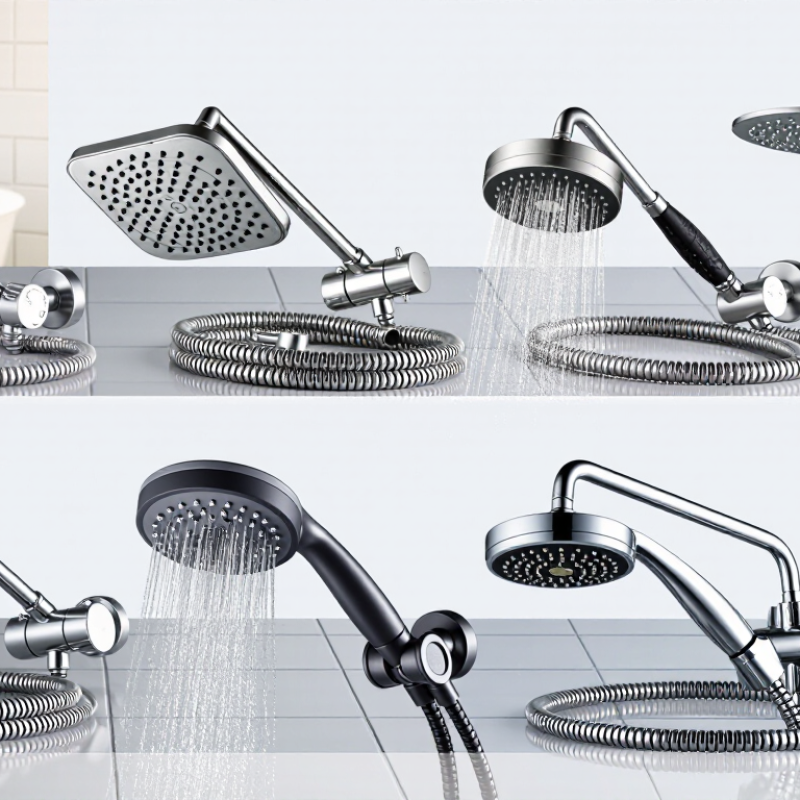
A shower sprayer is the outlet that shapes and directs water from a shower system. Fixed sprayers send water from one position, while handheld models connect through a flexible hose. Inside the head, small nozzles divide the flow into droplets. A control valve regulates water supply; a diverter can redirect it between outlets. Simple, but important.
Flow rate and water pressure are related, but they are not the same. The U.S. Environmental Protection Agency’s WaterSense program sets a maximum flow rate of 2.0 gallons per minute for labeled showerheads, compared with the federal standard of 2.5 gallons per minute. Its testing also evaluates spray force and rinse performance, so lower flow does not automatically mean a weak-feeling shower. Still, performance depends on the home’s plumbing, too. Mineral buildup can clog nozzles and make the spray uneven; a quick nozzle check may explain more than the product specifications do.
Common Shower Sprayer Types and Their Features
Fixed shower heads are simple and often suit compact bathrooms. Their spray pattern stays in one place, so check that it reaches your shoulders without forcing you against the wall. Small detail: nozzle placement matters.
Handheld sprayers connect to a flexible hose and can direct water toward children, pets, or a shower floor. Look for a hose long enough to reach the tub corners, plus a holder that stays secure when wet. The extra reach is useful, though the hose can twist or collect mineral deposits over time.
Rain-style heads spread water across a wider area, creating a softer, less concentrated feel. They usually work best when mounted overhead, but water pressure and ceiling height affect the experience. A wide head may feel underwhelming in a low-pressure home. Combination units pair a fixed head with a detachable sprayer, while multi-function models switch between settings such as mist, massage, and standard spray. More settings are not automatically better; controls should be easy to turn with wet hands. Hard-water buildup can also clog small spray openings, so removable nozzles are worth considering. The choice is rarely perfect: a gentle spray may rinse shampoo slowly, and a strong one can feel harsh.
How to Choose a Shower Sprayer for Your Bathroom
Choosing a shower sprayer starts with the plumbing, not the spray pattern. Check whether your shower arm uses a standard connection, and measure the space around the handle, tub, and nearby shelves. A handheld sprayer needs a hose that reaches comfortably without dragging across the floor. Check the hose. In a small bathroom, a bulky holder or stiff hose can make daily use awkward, even when the spray feels good.
Water flow matters, too. The U.S. Environmental Protection Agency’s WaterSense program sets a maximum flow rate of 2.0 gallons per minute for certified showerheads, while federal standards generally allow up to 2.5 gallons per minute. EPA estimates that an average family could save 2,700 gallons of water and 330 kilowatt-hours of electricity each year by replacing an inefficient showerhead with a WaterSense-labeled model. Savings vary with household use. A lower flow rate can still feel comfortable, but spray coverage and pressure depend on your home’s water system.
Match the spray modes to real routines. A wide, steady setting suits everyday rinsing; a focused stream can help wash out shampoo or rinse a shower wall. If hard water leaves white mineral spots, choose a design with easy-to-clean spray nozzles. Not always obvious. Before buying, check the installation instructions and return policy, then compare the sprayer’s reach and flow with your bathroom’s actual layout. A detail I would reconsider: extra modes sound useful, but a simple control is often easier with wet hands.
10 Best Shower Sprayers for Every Bathroom in 2026
The best shower sprayers for every bathroom in 2026 are not simply the ones with the strongest stream. A useful choice depends on water pressure, shower size, and who uses it. Adjustable sprayers offer focused and gentle settings, while handheld models make rinsing hair, cleaning walls, or bathing children easier. Fixed rain-style heads spread water broadly, but may feel less effective in a compact shower with modest pressure. Small details matter. Check the hose length, handle grip, and whether the controls are easy to turn with wet hands.
A practical top-ten selection should include options for different needs: low-flow designs, flexible handheld sprayers, simple fixed heads, and models with multiple spray patterns. Look for clear installation instructions and materials that are easy to wipe clean. In hard-water areas, removable nozzles can make mineral buildup less frustrating. Still, more settings do not always mean a better shower. Some controls feel awkward, and a wide spray can be disappointing if household pressure is low. Compare fit and everyday usability, not just appearance or advertised features. A little uncertainty belongs in any buying guide: bathroom plumbing varies, so the same sprayer may perform differently from one home to another.
10 Best Shower Sprayers for Every Bathroom in 2026
Compare estimated water use for a 10-minute shower at several flow rates. The figures are calculated as flow rate multiplied by shower duration; 2.0 GPM is the EPA WaterSense maximum for labeled showerheads, and 2.5 GPM is the U.S. federal maximum flow rate.
Water use shown: 15, 18, 20, and 25 gallons for flow rates of 1.5, 1.8, 2.0, and 2.5 gallons per minute, respectively. Actual use depends on shower duration and the sprayer’s flow rate.
Installation, Cleaning, and Ongoing Care
A shower sprayer works best when its fit and water pressure match the bathroom. Before installation, check the pipe thread, hose length, and the sprayer’s flow rating. Wrap the threaded connection with plumber’s tape, then tighten by hand before using a wrench gently. Too much force can damage a finish or connection. Run the water and inspect for drips around the joint. Small details matter.
Flow rate affects both comfort and water use. The US Environmental Protection Agency’s WaterSense program sets a maximum of 2.0 gallons per minute for labeled showerheads, compared with the federal standard of 2.5 gallons per minute. EPA estimates that an average family can save 2,700 gallons yearly by replacing older showerheads with WaterSense-labeled models. Actual savings vary with household habits and local water pressure. A lower flow may feel different; that deserves an honest test before you decide it suits you.
For routine care, wipe the sprayer with a soft cloth and mild soap. Avoid abrasive pads, which can scratch the surface. If mineral deposits clog the spray holes, soak the head in white vinegar only if its care instructions allow it, then rinse thoroughly. The Centers for Disease Control and Prevention advises regularly cleaning showerheads and faucet aerators. Not glamorous. Still, neglected buildup can affect spray patterns, and a quick visual check may miss deposits inside the nozzle. Recheck connections after cleaning, and replace worn washers when leaks return.