China Top 10 Best Cabinet Manufacturers for Global Buyers
China’s cabinet industry has become a serious sourcing destination for global buyers. From compact apartment kitchens to large hotel projects, Chinese manufacturers serve varied budgets and design requirements. This guide introduces ten notable cabinet manufacturers and explains what makes each worth evaluating.
The list considers more than attractive showroom images. It reviews manufacturing experience, material choices, customization capacity, export support, and quality-control practices. Buyers should examine panel certifications, hardware brands, moisture resistance, edge sealing, and packaging before placing an order. Factory visits, video inspections, and independent sample checks can reveal details that catalogs often hide. A well-built cabinet should align doors evenly, move smoothly, and survive repeated daily use.
“Best Cabinets” is not a universal label. A premium European-style kitchen may require different construction than a rental apartment project. That difference matters. MOQ, lead time, payment terms, installation guidance, and after-sales communication also influence real value. This overview provides practical, balanced information for importers, designers, contractors, and homeowners working with international suppliers. However, rankings can never replace direct due diligence. Product quality may vary between batches, and marketing promises deserve verification. Ask clear questions. Request written specifications. Compare samples under the same conditions. By combining manufacturer evidence with project-specific needs, global buyers can make more confident decisions and reduce costly surprises.
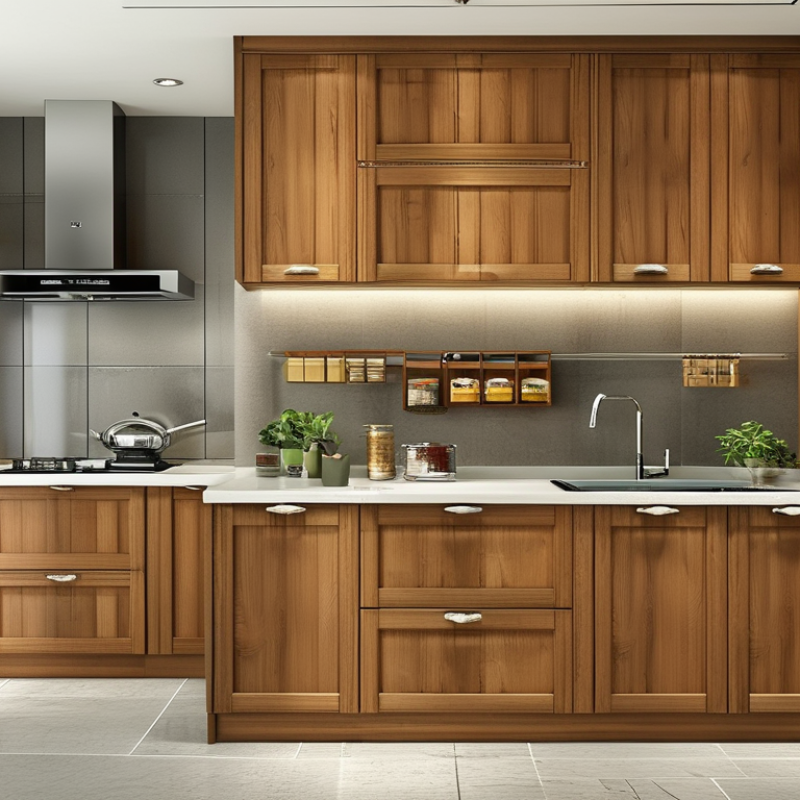
Cabinet Manufacturing in China: Industry Scope and Global Market Role
A meaningful top-ten list should examine more than factory size or product photographs. Cabinet manufacturing in China serves residential, hospitality, retail, and workplace projects worldwide. Its scope includes design engineering, panel processing, surface finishing, hardware integration, quality inspection, and export packing. A capable factory can convert a kitchen schedule into shop drawings, samples, and repeatable production. Common materials include plywood, MDF, particleboard, solid wood, laminates, veneers, and coated surfaces. Material selection depends on humidity, loading, emissions requirements, and local building practices.
China’s global market role comes from manufacturing depth and an established export network. Buyers can compare several production methods within one sourcing region. This may shorten sampling cycles and support mixed container orders. Experienced procurement teams review factory records, worker safety, moisture testing, edge adhesion, and hardware load performance before approving large orders. They also verify whether certifications match the exact material and destination market. A document alone is not enough. On-site evidence matters.
Practical work still has friction. A polished sample may hide color variation between batches, drilling errors, or packaging damage during sea transport. I would request a sealed reference sample, approved drawings, pre-shipment photos, and independent inspection. Clear tolerances reduce disputes. Buyers should confirm replacement parts, installation instructions, and after-sales response times. These details often determine whether a low factory price becomes a reliable global supply arrangement. Sometimes, the cheapest quote is only cheaper on paper.
China Cabinet Manufacturing: Export Scale and Global Market Role
China’s furniture exports provide a useful industry-level proxy for the international scale of cabinet manufacturing.
China’s furniture exports expanded strongly from 2019 to 2022, supported by large-scale manufacturing capacity,
integrated supply chains, and broad access to overseas markets. The decline in 2023 reflects weaker global housing
and consumer demand. The figures cover furniture exports as an industry-level indicator and do not represent any
individual company or brand. Source: China Customs and public industry statistics; values are rounded estimates in USD billions.
How to Evaluate China’s Top Cabinet Manufacturers
Choosing among China’s top cabinet manufacturers requires more than comparing catalog photos. CSIL’s World Furniture Outlook 2024 estimates that China produces roughly 37% of global furniture output. Scale matters, but it does not guarantee consistent cabinets.
Request factory records, not polished promises. Check production lines, panel storage, edge-banding machines, and final inspection areas. Ask for recent inspection reports covering formaldehyde emissions, moisture resistance, load performance, and hardware durability. Standards such as EN 14749, ASTM testing, or relevant national requirements can clarify product suitability. ISO 9001 supports process control, but certification alone proves little.
Review at least three completed export projects. Study packing photographs, replacement rates, delivery records, and customer references. A reliable supplier should explain board grades, adhesive types, thickness tolerances, and batch-tracking methods. Confirm whether testing covers the finished cabinet, not only raw panels. This detail is often missed.
Use a paid sample before signing a large order. Measure door gaps, drawer alignment, surface consistency, and odor after unpacking. Compare the sample with mass-production controls. China Customs and UN Comtrade shipment data can help verify a manufacturer’s export experience under relevant furniture classifications, although trade data may include intermediaries. That limitation deserves attention. Factory scale is useful evidence, not final evidence.
I would also audit communication. Delayed answers during quotation often become delayed answers during claims. Inspect loading procedures, carton labels, moisture protection, and spare-part policies. A lower price may reflect thinner panels, weaker hardware, or incomplete testing. Sometimes the cheapest offer is simply incomplete.
Product Quality, Customization, and Production Capabilities
Choosing among China’s top ten cabinet manufacturers requires more than comparing catalog photos. Product quality appears in details: smooth edge sealing, aligned hinges, consistent board density, and clean drawer movement. Ask for material specifications, moisture testing, hardware load results, and recent inspection records. A reliable manufacturer should explain tolerances clearly, not promise perfection without evidence. Factory visits or live video audits can reveal storage conditions, dust control, and final inspection practices.
Tips: Request a physical sample. Test the finish under light. Check corners, drilling accuracy, and packaging strength. Confirm replacement procedures before placing a large order.
Customization should include more than color selection. Professional teams can adjust cabinet dimensions, internal layouts, door profiles, hardware positions, and packaging labels for different markets. Share accurate drawings and installation requirements early. Small errors in wall measurements can create expensive revisions. I have found that clear approval samples prevent many disputes, although they cannot replace production supervision. Ask how design changes are recorded and how quality is checked between cutting, assembly, and packing.
Production capability matters when deadlines are tight. Review monthly capacity, automation levels, workforce training, and quality-control checkpoints. A capable factory should separate standard orders from custom production and provide realistic lead times. Request a pilot order before scaling. It may feel slower, but it exposes weak processes while corrections remain manageable. Examine carton protection, moisture barriers, and loading methods, especially for long-distance shipping.