
How to Choose Premium Plywood for Global Projects?

Choosing Premium Plywood for global projects requires more than comparing surface appearance or price. Material failure can begin with a hidden void, unstable moisture, or unsuitable adhesive. The FAO’s Global Forest Resources Assessment 2020 reports that forests cover approximately 31% of the world’s land area. This scale highlights the importance of responsible sourcing, traceability, and consistent manufacturing. Premium Plywood should therefore be evaluated as an engineered material, not simply as a decorative panel.

Project buyers should examine veneer species, core construction, bonding quality, moisture resistance, formaldehyde emissions, and dimensional stability. Standards such as EN 636, ISO 12465, and relevant national building codes provide useful technical references. In North America, EPA TSCA Title VI requirements also influence formaldehyde compliance for composite wood products. The UNECE/FAO Forest Products Annual Market Review shows how changing construction activity, trade conditions, and supply risks affect wood-product markets. Certification from credible schemes, such as FSC or PEFC, can strengthen sourcing confidence, but certification alone does not prove every performance claim.

Details matter.

A reliable supplier should provide test reports, batch records, factory quality procedures, and clear installation guidance. Buyers should request evidence for the intended exposure class, especially when panels will face humidity, heat, or repeated handling. A flawless specification rarely exists. Cost, availability, carbon impact, and performance may conflict. We may also overvalue a smooth face while overlooking edge sealing or core integrity. This guide explains how to balance these factors and select Premium Plywood that performs consistently across borders, climates, and demanding project schedules.
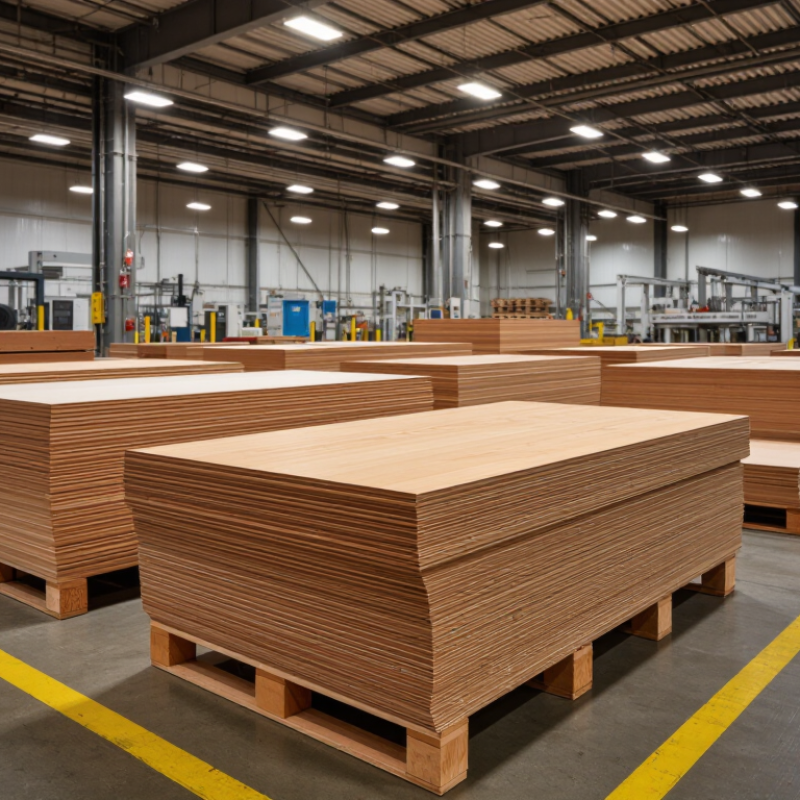
How to Choose Premium Plywood for Global Projects?

Define Project Requirements and Plywood Performance Criteria

Premium plywood selection begins with a clear project brief. Define the use before comparing surface appearance or price. Is the panel structural, decorative, marine-exposed, or temporary? Record span, load, thickness, panel size, fixing method, and expected service life. A warehouse wall needs different performance from a bathroom cabinet. Measure the climate too. Coastal humidity, freezing cycles, and repeated wetting can change the specification. Small details matter.

Set measurable criteria for bending strength, stiffness, bond durability, moisture resistance, and dimensional stability. Check relevant product standards and require independent test reports where risk is high. Look for declared core species, veneer grades, adhesive class, density, and formaldehyde emissions. For load-bearing work, confirm design values with a qualified engineer, not a sales sheet. Edges deserve attention. Unsealed cut edges can absorb water quickly. On one site, careful face inspection missed swelling around poorly protected corners. That failure was avoidable. Packaging and storage also affect performance. Keep sheets flat, dry, raised, and covered, while allowing air movement.

Ask suppliers for batch traceability, production tolerances, test dates, and installation guidance. Condition samples near the project environment before approval. Test fastener holding and surface finishing on actual offcuts. A beautiful sample can hide core gaps. I would also challenge my own assumptions. “Exterior” does not always mean unlimited exposure. Specifications can be incomplete. Recheck them against drawings, local weather data, and maintenance plans. A premium grade should be supported by evidence.

Compare Plywood Grades, Core Structures, and Surface Qualities

Choosing premium plywood for global projects starts with the grade, not the appearance. Structural plywood should meet the project’s load, moisture, and durability requirements. Interior-grade panels can fail quickly in humid areas. Exterior-grade plywood uses stronger bonding for repeated moisture exposure. Marine-grade material may suit boats, outdoor furniture, or demanding wet conditions, but it still requires correct installation. Check technical data, test reports, and production consistency before ordering.

The core structure strongly affects strength and stability. Multi-layer hardwood cores usually provide better screw holding and fewer weak spots. A balanced veneer arrangement helps reduce warping during temperature changes. Some panels use a mixed hardwood and softwood core, which can lower weight and cost. That choice is not automatically poor. It must match the span, fastener type, and expected load. I once focused too much on thickness and overlooked core gaps. That shortcut was wrong.

Surface quality matters when plywood will be painted, laminated, or left visible. Look for smooth faces, tight joints, limited patches, and consistent thickness. Rotary-cut faces may show wider grain movement than sliced veneers. Minor repairs can be acceptable, but open knots and raised patches often become visible after finishing. Run your hand across the sheet. Check the edges, too. A reliable inspection should include moisture content, squareness, formaldehyde documentation, and random sheet sampling. Visual confidence alone is not enough.

How to Choose Premium Plywood for Global Projects? - Compare Plywood Grades, Core Structures, and Surface Qualities

Plywood Category Common Reference Standard Bonding and Durability Core Structure Surface Quality Typical Applications Global Project Considerations
Structural Exterior Plywood EN 636-2 or EN 636-3; equivalent structural specifications may apply Exterior-bonded panels designed for humid conditions; EN 314-2 Class 3 is commonly associated with exterior bonding performance Balanced cross-laminated veneers with sound glue lines and controlled core gaps Face veneers may contain repaired knots and natural color variation; back face can be lower visual grade Wall sheathing, roof components, transport structures, outdoor construction, and general structural work Confirm the required design values, thickness tolerances, formaldehyde class, fire performance, and local building-code acceptance
Marine-Use Plywood Project-specific marine plywood specification; verify applicable national or maritime requirements Durable waterproof adhesive and carefully controlled manufacturing; the term “marine” alone does not guarantee permanent immersion performance High-quality, low-void core with tight veneer joints and consistent thickness Usually smooth, defect-controlled faces suitable for coating, laminating, or detailed finishing Boat components, docks, wet-area construction, exterior joinery, and demanding coated assemblies Specify edge sealing, coating systems, fastener protection, and exposure limits; no plywood should be assumed to be maintenance-free
Film-Faced Formwork Plywood Project formwork specification; structural classification and overlay requirements should be stated separately Weather-resistant adhesive; phenolic film and sealed edges improve resistance to water and concrete alkalinity Stable, multi-ply hardwood or softwood core with minimal local defects and reliable screw-holding capacity Smooth resin-impregnated film face; common overlay weights range approximately from 120 to 240 g/m² depending on the specification Concrete formwork, slabs, columns, walls, and reusable temporary structures Check panel flatness, film type, edge sealing, release-agent compatibility, reuse expectations, and cleaning procedures
Furniture and Interior Plywood EN 636-1 for dry interior conditions; furniture specifications may add appearance requirements Interior-bonded panel for dry conditions; not intended for repeated wetting or exterior exposure without additional protection Uniform veneer thickness, balanced layup, low core voids, and good machining stability Clear or lightly repaired face, consistent grain, low sanding defects, and suitable substrate for paint, laminate, or veneer Cabinetry, wall panels, doors, furniture, retail interiors, and decorative joinery Review visible-face grading, color consistency, formaldehyde emissions, machining tolerances, and indoor air-quality requirements
Decorative Hardwood Plywood EN 635 appearance classification or an equivalent project-specific face-grade schedule Bond type is selected according to the intended service environment; appearance grade does not by itself define water resistance Cross-banded construction selected for dimensional stability and a visually consistent face Face grade may range from virtually clear to repaired natural appearance; specify open defects, color variation, and matching requirements High-end furniture, wall cladding, ceilings, doors, hospitality interiors, and architectural features Approve physical samples or control panels because veneer appearance is affected by species, slicing method, lighting, and finish
Bending Plywood Manufacturer and project performance specification; thickness and bending radius must be defined Usually intended for interior dry service unless an exterior-grade adhesive is specifically documented Very thin veneers or specially oriented plies that allow bending across or along the panel direction Smooth, flexible face suitable for veneers, laminates, paint, or upholstery substrates Curved furniture, columns, acoustic forms, exhibition structures, and interior architectural elements Confirm minimum bending radius, grain direction, spring-back behavior, fixing method, and whether wet forming is permitted
Lightweight Core Plywood Project structural or furniture specification; mass and stiffness must be verified by test data Bond performance varies with the core material and adhesive system; exposure class must be confirmed before use Low-density wood core, balsa-type core, or engineered lightweight core between stronger face veneers Typically smooth, calibrated faces designed for laminating, painting, or veneering Vehicle interiors, modular construction, furniture, partitions, doors, and weight-sensitive assemblies Compare density, bending stiffness, screw withdrawal, edge fixing, moisture response, and transport weight—not only the nominal thickness
Structural Hardwood Plywood EN 636 structural grades, national structural plywood standards, or an engineered design specification Selected according to dry, humid, or exterior service conditions; structural performance must be supported by declared values or test results Dense, cross-laminated hardwood veneers provide high strength, impact resistance, and good fastener retention Face quality ranges from utility grade to decorative grade; structural strength and visual appearance are separate selection criteria Heavy-duty flooring, vehicle bodies, industrial packaging, machinery platforms, and demanding structural components Account for panel weight, handling equipment, transport regulations, moisture cycling, fire requirements, and connection design
Selection note: Plywood grade names are not fully interchangeable across countries. Before ordering, confirm the applicable standard, service environment, thickness and dimensional tolerances, structural design values, formaldehyde-emission class, fire performance, face-grade requirements, and third-party documentation.

Verify Standards, Certifications, and Environmental Compliance

How to Choose Premium Plywood for Global Projects?

Premium plywood begins with verified documentation, not a polished surface. Ask for the product standard, test reports, and certificate numbers before placing an order. For structural panels, check whether testing follows relevant requirements, such as EN 13986 or applicable local building codes. Standards differ between countries. A certificate accepted in one market may not satisfy another authority.

Examine each document carefully. Confirm the certification scope, manufacturing site, product grade, and expiration date. Public certification databases can help verify authenticity. Request recent test results for bonding strength, moisture resistance, thickness tolerance, and formaldehyde emissions. Small details matter. A laboratory report may cover one panel type, not the entire product range. I have seen paperwork look complete while missing the exact production site.

Environmental compliance requires more than a recycled-content statement. Look for responsible-forest certifications, chain-of-custody records, and legal-timber due diligence. Environmental Product Declarations can show impacts across a product’s life cycle, but they must match the plywood specification. Ask how waste, adhesives, and emissions are controlled. Keep batch numbers and delivery records for traceability. That step is often neglected. Independent inspection before shipment can reveal delamination, uneven cores, or damaged edges. Even experienced buyers make assumptions. A stronger process leaves room to question familiar documents and retest materials when project conditions change.

Assess Suppliers, Manufacturing Consistency, and Export Readiness

Choosing premium plywood for global projects requires more than comparing prices or surface appearance. A reliable supplier should provide clear species, core structure, adhesive type, thickness tolerance, and test records. Ask for recent production samples, not only showroom panels. Inspect the edges for gaps, overlapping veneers, and uneven pressing. A clean face can hide weak internal bonding.

Manufacturing consistency matters when hundreds of panels arrive at different times. Request batch-based quality reports and confirm how moisture is controlled before packing. Experienced factories track veneer thickness, pressing temperature, sanding results, and rejection rates. Check whether the supplier can repeat the same specifications across several orders. One excellent sample proves little. Factory visits or independent inspections can reveal more, although neither method is perfect.

Export readiness protects schedules after production ends. Review packing methods, pallet strength, container loading plans, labeling, and document accuracy. Panels should be protected from rain, salt air, and sudden humidity changes during transit. Confirm that certificates match the actual shipment, including grade, dimensions, and test date. Ask how the supplier handles damaged cartons or delayed vessels. Their answer shows operational maturity. Leave room for doubt. Forecasts change, and even careful suppliers can miss a deadline. A written inspection plan, retained samples, and realistic lead times create stronger control for overseas projects.

Calculate Total Cost, Delivery Risks, and Long-Term Value

How to Choose Premium Plywood for Global Projects?

Premium plywood should be judged by landed cost, not the factory quotation. Add product price, inland transport, insurance, duties, port fees, storage, and local delivery. A cheaper sheet may create higher waste if thickness varies or edges arrive damaged. Small errors compound.

Delivery risk deserves a separate calculation. Confirm production capacity, inspection timing, packing method, and realistic transit windows. Moisture-resistant wrapping matters when containers face rain, condensation, or long port delays. Request consistent documents, including specifications, test results, packing lists, and origin details. Build a buffer into the schedule. A two-week delay can stop installation crews and extend equipment rental. Not always.

Long-term value depends on performance after installation. Check veneer quality, core construction, bonding performance, formaldehyde classification, and dimensional stability for the project environment. For humid interiors, unstable panels can swell around screw holes and joints. That leads to repairs, repainting, and dissatisfied occupants. In cost reviews, teams often focus on initial savings and underestimate maintenance. I have seen this approach fail when replacement panels no longer match the original finish. A practical comparison should include expected service life, installation speed, replacement difficulty, and disposal requirements. Premium material is not automatically the best choice, either. If the specification exceeds actual site conditions, the extra cost may never create measurable value. Use verified samples, independent inspection, and a written acceptance standard before placing a large order.

How to Choose Premium Plywood for Global Projects?

Total landed cost, delivery-risk allowance, and five-year ownership value by plywood specification.

Planning assumptions

Values are calculated in USD per cubic meter for an international shipment, including mill price, ocean freight, insurance and import handling. The five-year estimate adds expected maintenance and replacement costs. Risk allowance reflects possible delays, moisture damage, re-inspection, and expedited replacement. Actual costs vary by origin, destination, order volume, duties, and project conditions.