How to Choose the Best Inflatable Tent for Your Needs?
Choosing the best inflatable tent starts with how, where, and how often you camp. A roomy shelter may feel reassuring at home, then become awkward beside a narrow trail or in a small car. The Outdoor Industry Association’s 2024 Outdoor Participation Trends Report counted 175.8 million U.S. outdoor recreation participants in 2023. KOA’s 2024 North American Camping Report recorded 58 million U.S. and Canadian households camping that year. These reports show a broad camping audience, but they do not tell us which tent design suits each camper. That choice takes closer inspection.
This guide compares the practical details that matter: sleeping capacity, packed size, weather protection, ventilation, setup, and repair options. Inflatable tents replace many rigid poles with air-filled beams, which can simplify pitching. But convenience is not a guarantee. Check the pump, valves, seams, and manufacturer’s repair guidance before relying on one. A tent’s stated capacity can also feel tight once bags and muddy shoes come inside.
Look for specifications backed by clear testing information, not confident marketing alone. Think about your actual campsite: gusty coast, damp woodland, or a sunny family campground. Then match the shelter to your group and transport limits. The phrase “Aufblasbare Zelt” may appear in product searches, but careful comparisons matter more than labels. No tent fits every trip. Even experienced campers misjudge space sometimes; a measured floor plan can prevent that.
Identify Your Camping Needs and Intended Use
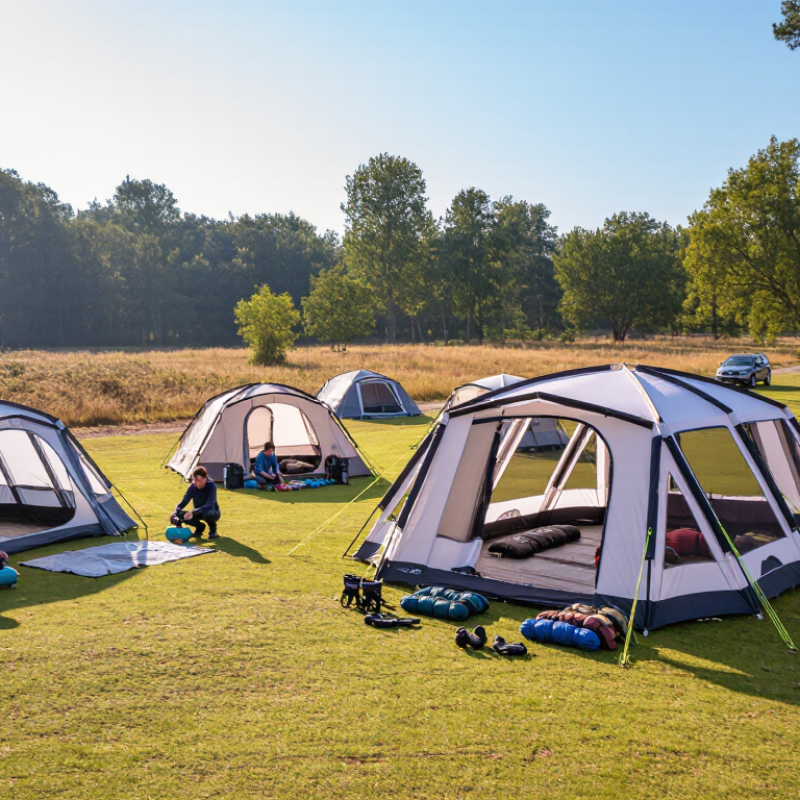
Choosing an inflatable tent starts with the trip, not the floor plan. Decide whether you need shelter for family car camping, a short hiking trip, or changing weather. Weekend car campers can prioritize standing room, separate sleeping areas, and space for damp boots. Backpackers should check packed weight and carry size before admiring the roomy interior. Air beams simplify setup, but they do not make a heavy tent easy to carry. A bigger shelter can feel reassuring, then become awkward on a narrow campsite.
The 2024 North American Camping & Outdoor Hospitality Report estimated that 58 million U.S. households camped at least once in 2023. That broad participation reflects varied trips and comfort needs, not one ideal tent size. This is a participation estimate, not a tent-sizing rule. Think about who will sleep inside, how much gear stays under cover, and whether you often camp alone. Be honest about your usual trips; planning for a rare storm expedition may lead to buying more shelter than you use.
Tips: Before choosing, sketch your sleeping layout and measure your largest packed item. Check the tent’s stated capacity, packed weight, inflation method, ventilation, and rainfly coverage. If possible, test inflation at home with the pump you plan to bring. Small detail, big difference. A tent that fits your routine is often more useful than one with the most impressive specifications.
Choose the Right Size, Layout, and Capacity
Choosing an inflatable tent starts with the people and gear sharing its floor. A “four-person” rating usually describes sleeping capacity, not roomy storage for four bags. For a more comfortable fit, consider one capacity step above your group size, especially on rainy trips when everyone stays inside. Check the floor plan, not just the headline capacity. A long, narrow room may fit sleeping pads but leave little space to change.
Layout matters. Separate sleeping areas can give children or early sleepers more privacy, while a vestibule keeps muddy boots outside the main cabin. Measure your sleeping pads at home and compare them with the tent’s interior dimensions. Then allow space for a central walkway. Small detail, big difference. Inflatable beams can make setup straightforward, but usable space still depends on furniture, doors, and where the beams sit.
Capacity also depends on how you camp. The 2024 North American Camping Report estimated that 58 million North American households camped in 2023; that broad range of camping styles is a reminder that one tent size cannot suit every trip. Treat the figure as context, not sizing advice. I would also question my own “just enough” calculations: wet clothing and a restless child can quickly make a close fit feel cramped. Check stated dimensions, packed gear, and the layout before choosing.
How to Choose the Best Inflatable Tent for Your Needs
Compare your group size with the estimated floor area below. These planning estimates allow about 20 sq ft per camper for a compact setup and 25 sq ft for more room. Add space for bulky gear, and check the tent’s layout and usable floor dimensions before choosing.
Compare Materials, Air-Beam Design, and Weather Protection
Choosing an inflatable tent starts with fabric, not color. Polyester usually dries quickly and resists stretching, while coated nylon can be lighter; neither is automatically tougher. Check fabric weight, coating, seam construction, and repair options together. The Outdoor Industry Association’s 2024 Outdoor Participation Trends Report counted 175.8 million U.S. outdoor recreation participants in 2023. That broad figure signals a large camping audience, but it does not measure tent performance. For waterproof claims, look for a hydrostatic-head rating and ask whether seams were tested too. ISO 811 describes a method for measuring fabric resistance to water penetration; a fabric result alone does not guarantee a dry tent.
Air-beam design matters in practical ways. Wider beams can feel more stable, but layout, anchoring, and pressure also affect performance. Check whether valves are accessible and whether a damaged beam can be isolated or repaired. Weather protection needs equally careful reading. A rainfly with generous coverage, sealed seams, and a bathtub floor helps during steady rain. Wind ratings are useful only when the test setup and anchoring method are disclosed. One weak point: published ratings rarely reflect every campsite, especially exposed ground with gusts.
Tips: Compare test methods, not just headline numbers. Set the tent up once at home, check every valve, and practice anchoring it on firm ground.
Evaluate Setup, Portability, and Essential Features
Choosing an inflatable tent starts with how easily you can pitch it. Check whether the pump is included and whether the air valves are simple to reach. Practice at home on a clear afternoon. Time the setup, then try packing it away without rushing. A tent that takes ten minutes in the yard may feel different in wind or fading light. Look for clear instructions and sturdy anchor points. Small details matter.
Portability is more than the number on a product label. Compare the packed weight with the pump, stakes, and repair kit included. Measure the carry bag, too; a bulky shape can be awkward in a full car trunk. If you expect to walk from a parking area, test carrying the packed tent for a few minutes. Heavy is relative. I might overvalue a quick setup and overlook the walk from the car.
Essential features should suit the weather and the people sleeping inside. Mesh panels help airflow, while a bathtub-style floor can reduce splash entering around the edges. Check that guy lines are easy to adjust and that replacement patches are available. For damp conditions, ventilation matters because condensation can collect overnight. No tent removes every weather concern, so compare its intended conditions with your usual trips. A little extra headroom is pleasant, but it should not outweigh a stable frame and practical packing size.
Balance Price, Durability, and Long-Term Maintenance
A low price can make an inflatable tent tempting, but the purchase price is only part of the cost. Check the fabric weight, seam construction, floor material, and whether replacement valves or repair patches are available. A sturdy-looking tent can still be awkward to maintain if a small leak means replacing a whole air beam. Ask what repairs are practical before buying. That detail matters.
Durability also depends on where and how often you camp. For regular trips over rough ground, a tougher floor and reinforced stress points may justify paying more. For occasional fair-weather use, a lighter, less expensive model could be enough. Read care instructions and warranty terms closely; neither guarantees that a tent will last, but both can reveal what upkeep the maker expects. Wind exposure and sharp stones can shorten its life.
Long-term maintenance takes time. Dry the tent fully before storage, even if the fabric feels dry on the outside; damp corners can develop mildew. Check air pressure and valves before a trip, and keep a patch kit nearby. I would not choose the cheapest option by default. Still, paying extra for features you will rarely use is not automatically sensible. Compare likely repair costs, storage needs, and your camping frequency. A little guesswork remains, and that is worth admitting.