How to Source Used Kitchen Cabinets in 2026?

Sourcing Used Kitchen Cabinets in 2026 requires more than finding the lowest online price. Homeowners now compare salvage yards, architectural reuse stores, marketplace listings, remodelers, and local cabinet dealers. Each source offers different risks, prices, and levels of documentation. A cabinet set may look attractive in photographs, yet warped doors or missing hinges can change the final cost quickly.

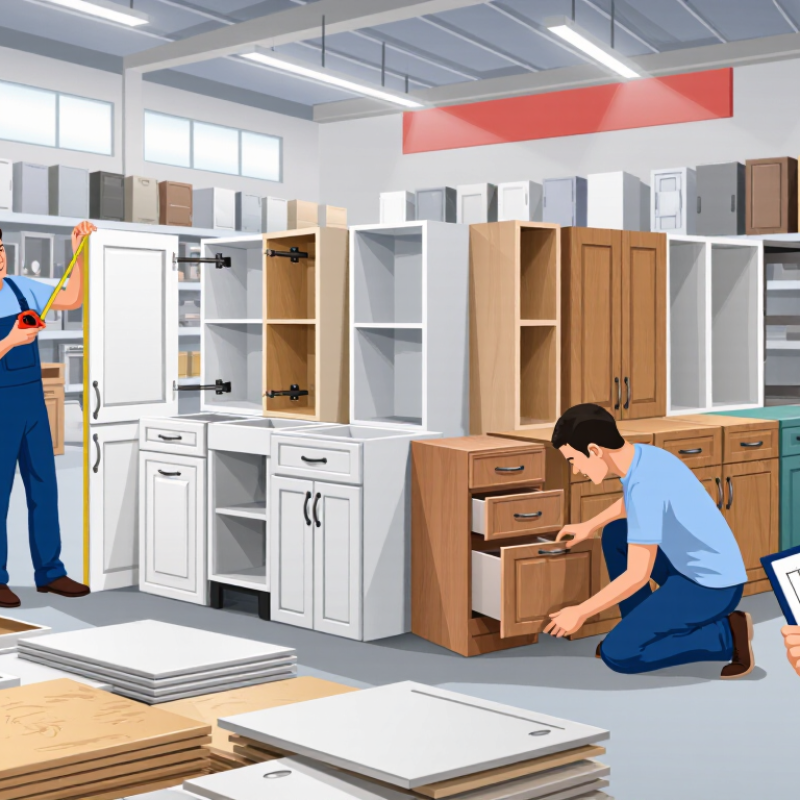
Begin with accurate measurements. Record wall lengths, ceiling height, appliance spaces, plumbing locations, and door swings. Bring a simple sketch when visiting a warehouse. Check every cabinet box for swelling, mold, cracks, soft particleboard, and stripped screw holes. Open each drawer several times. Test hinges and inspect the finish under bright light. These small checks often reveal problems that sellers overlook or fail to mention.

Reliable sourcing also depends on evidence. Ask for cabinet dimensions, age, material, hardware details, and the reason for removal. Request clear photographs of backs, interiors, and damaged edges. Reputable sellers should explain returns, pickup conditions, and any available installation records. Verify whether the cabinets meet current safety and building requirements in your area, especially near plumbing, electrical equipment, and cooking appliances. Local rules may vary, so confirm details with qualified professionals.

Budget for transport, cleaning, replacement hardware, fillers, trim, and professional modifications. Used Kitchen Cabinets can save money and reduce landfill waste, but they are rarely a perfect puzzle. That is the uncomfortable part. A cheap purchase may demand more labor than expected. Still, careful inspection and honest cost planning can turn mismatched pieces into a practical, distinctive kitchen.

How to Source Used Kitchen Cabinets in 2026?

Define Your Cabinet Needs, Budget, and Project Measurements

Before searching for used kitchen cabinets in 2026, define the room and your tolerance for compromise. Record the cabinet style, finish, door swing, storage needs, and appliance locations. Measure every wall twice, including ceiling height, windows, outlets, plumbing, and floor unevenness. A 1/4-inch error can create an expensive gap. It happens.

Budget beyond the purchase price. The Harvard Joint Center for Housing Studies projected homeowner improvement spending near $485 billion in 2024, showing continued renovation demand. Houzz’s 2024 U.S. Kitchen Trends Study reported median major-remodel spending of $75,000 for large kitchens and $45,000 for small kitchens. Used cabinets may cost much less, but transport, cleaning, repairs, fillers, hardware, and installation can narrow the savings.

Set a firm ceiling before contacting sellers. Reserve 15% for damaged panels, missing hinges, and unexpected wall repairs. Measure cabinet boxes, not only the outside doors. Check depth, height, toe-kick space, and the distance between openings. Bring a simple floor plan with marked dimensions. Photograph every defect. A cabinet with swollen particleboard may look acceptable online but fail during installation. I would reject a cheap set if its layout forces costly modifications. Still, perfect measurements do not guarantee a perfect match; older cabinets often vary slightly between sections.

Find Reliable Sources for Used Kitchen Cabinets

How to Source Used Kitchen Cabinets in 2026?

Find Reliable Sources for Used Kitchen Cabinets

Reliable used kitchen cabinets usually come from architectural salvage yards, renovation contractors, cabinet refitters, and carefully managed local resale groups. These sources often provide clearer measurements and removal details than anonymous listings. Ask where the cabinets came from, how long they were installed, and whether they were stored indoors. A trustworthy seller should share several close photographs, including hinge holes, drawer runners, cabinet backs, and water stains. I once trusted a clean front and ignored a swollen sink cabinet. That mistake cost more than expected.

Visit the cabinets when possible. Open every drawer. Check for soft particleboard, strong odors, missing shelves, and uneven doors. Bring a tape measure and record height, width, depth, toe-kick size, and wall clearance. Confirm whether handles, hinges, filler strips, and mounting rails are included. Request a written invoice and clear collection or return terms. Reliable sellers do not rush simple questions.

Tips: Compare at least three sources before paying. Search for matching sizes, not only attractive finishes. Ask for the removal date and storage conditions. Inspect for moisture damage under sink units. Keep a small repair budget; used cabinets rarely fit perfectly. Reusing cabinets can reduce waste, but compromises are normal. That is worth considering.

How to Source Used Kitchen Cabinets in 2026? - Find Reliable Sources for Used Kitchen Cabinets

Source Type Typical Inventory Typical Used Price Level Availability Reliability Indicators Main Risks Best Use
Architectural salvage yards Older solid-wood cabinets, doors, drawers, trim, and hardware Often about 30%–70% below comparable new custom or semi-custom cabinetry; condition and rarity strongly affect price Moderate; inventory changes whenever buildings are renovated or demolished Physical inspection, measurements listed, clear condition grading, and written return policy Incomplete sets, non-standard dimensions, hidden water damage, and limited matching pieces Character kitchens, partial replacements, islands, and furniture-style projects
Nonprofit building-material reuse stores Mixed cabinet lots, countertops, sinks, hinges, handles, and renovation surplus Commonly low to moderate; discounts are usually greatest for used or donated stock Moderate to high in major renovation markets; stock is unpredictable Item tags, posted donation standards, visible pricing, and an established inspection process Pieces may be sold separately, accessories may be missing, and most sales are final Budget renovations, workshops, rental properties, and replacement doors
Kitchen-remodel contractors Complete tear-out kitchens, partial cabinet runs, doors, and installation leftovers Moderate; removal, storage, and transport costs may be included Low to moderate; supply depends on current remodeling schedules Original installation photos, complete dimension sheet, known removal date, and written item list Fast decisions may be required; cabinets can be damaged during removal Buyers who need several matching units and can arrange prompt pickup
Local classified marketplaces Individual cabinets, full kitchens, unfinished units, and homeowner renovation leftovers Low to moderate; negotiation is common, especially for urgent removals High overall, but listings vary substantially by location and season Seller history, multiple dated photos, exact dimensions, in-person inspection, and secure payment practices Misleading photos, inaccurate measurements, scams, and difficult loading conditions Price-sensitive buyers who can inspect and collect locally
Building-material auctions Surplus cabinets, showroom displays, contractor overstock, and complete renovation lots Variable; winning bids can be low, but buyer premiums, taxes, and transport add cost Periodic; availability follows liquidation, construction, and showroom events Published lot numbers, inspection windows, auction terms, and itemized condition notes Final-sale terms, incomplete lots, competitive bidding, and short collection deadlines Experienced buyers seeking large quantities or display-quality units
Home renovation salvage from property owners Cabinets removed during personal remodels, often with countertops and appliances Low to moderate; free removal may reduce the seller’s labor cost Moderate; listings increase during local remodeling seasons Detailed installation history, moisture-free storage, complete photos, and access for inspection Removal damage, grease buildup, warped panels, and missing mounting hardware DIY projects and buyers able to handle careful dismantling
Cabinet installers and independent carpenters Job-site leftovers, replacement parts, unfinished units, and lightly used cabinets Moderate; professional sorting and storage may be reflected in the price Low to moderate, usually through local referrals Installer-confirmed dimensions, material details, repair assessment, and documented installation history Limited selection, mismatched finishes, and uncertain compatibility with existing cabinets Replacement parts, custom modifications, and projects needing professional advice
Commercial surplus and showroom clearances Display kitchens, sample doors, discontinued configurations, and unused overstock Moderate to high; unused condition does not guarantee a complete or current configuration Low and time-sensitive; clearance periods are usually short New-condition inspection, itemized components, serial or product records, and clear warranty terms Discontinued parts, display wear, missing fillers, and limited warranty coverage Buyers who want near-new appearance and can adapt the layout
Verification checklist before purchase: Confirm cabinet width, height, depth, door swing, mounting method, material, moisture exposure, finish condition, included hardware, removal responsibility, transport access, total delivered cost, and return terms.

Inspect Cabinet Condition, Quality, and Compatibility

How to Source Used Kitchen Cabinets in 2026?

Inspect every cabinet under strong, natural light. Look for swollen particleboard, soft corners, water stains, and peeling veneer. Open each door several times. Hinges should move quietly, without sagging. Check drawer boxes for loose joints and damaged runners. A slight scratch is manageable. Persistent moisture damage is not.

The 2024 Houzz U.S. Kitchen Trends Study reported a median major-remodel spend of about $55,000. That figure makes reusable cabinets attractive, but low purchase prices can hide repair costs. Measure cabinet width, height, depth, and opening direction. Bring a tape measure and a simple room sketch. Do not trust “standard size” claims; older units often vary by several millimeters.

Compatibility needs more than visual matching. Confirm wall clearance, plumbing locations, appliance openings, and mounting rails. Check whether replacement doors or hinges remain available. The National Kitchen and Bath Association’s 2024 design research continues to identify storage efficiency and durable materials as important renovation priorities. Used cabinets must support both.

Ask for photographs of hidden sides. Inspect screw holes and patched joints. I once considered a cabinet set that looked excellent from the front, yet its sink base had a softened floor. That mistake would have been expensive. Condition reports help, but personal inspection is stronger. Record defects honestly, including the ones you want to ignore.

Compare Prices, Transportation, and Refurbishment Costs

How to Source Used Kitchen Cabinets in 2026?

Used kitchen cabinets can save money, but the purchase price rarely tells the whole story. Measure every cabinet, including depth, door swing, fillers, and crown molding. A $1,200 set may need $350 for missing shelves, damaged hinges, and replacement panels. Inspect the boxes for water swelling, loose joints, and strong odors before paying. Ask for dated photos and a written list of included hardware.

Transportation can change the calculation quickly. A nearby pickup may cost $80, while a distant delivery can exceed $400. Add protective blankets, loading help, fuel, and possible stair fees. Cabinets are heavy and awkward. Confirm vehicle dimensions before collection. My first estimate ignored unloading time, and that mistake added nearly two hours. It also caused minor scratches.

Refurbishment prices depend on condition and your finish expectations. Cleaning and new handles may cost $100 to $250. Sanding, repairs, primer, and paint can reach $1,000 for a medium kitchen. Professional refinishing offers better consistency, but labor quotes vary by region. Get two written estimates, and ask whether removal, curing time, and touch-ups are included.

Complete the Purchase and Plan Installation Properly

How to Source Used Kitchen Cabinets in 2026?

Before paying, confirm every measurement twice. Record cabinet width, height, depth, door swing, and filler space. Photograph each unit from the front, back, and inside. Look for swollen particleboard, loose joints, water stains, and stripped screw holes. Check whether hinges, shelves, handles, and mounting rails are included. Ask for the cabinet’s age and previous use. These details affect both value and installation time. A written purchase agreement should list quantities, defects, collection dates, and refund terms. Do not rely on friendly messages alone.

Plan the installation before arranging delivery. Draw the kitchen walls on paper, including windows, pipes, sockets, appliances, and floor changes. Leave clearance for doors and drawers. Confirm that the wall can support the cabinet weight. Uneven floors may require shims, while damaged plaster may need repair first. Measure doorways and stair turns before the cabinets arrive. I once underestimated a narrow hallway; the cabinet reached the house but not the kitchen. That mistake was expensive and avoidable.

Separate installation tasks by skill level. A qualified installer can secure wall units and align doors safely. Licensed professionals may be needed for plumbing or electrical changes, depending on local rules. Keep spare screws, filler strips, and touch-up materials available. Used cabinets rarely fit perfectly. Accepting that early prevents rushed decisions. Allow extra time for cleaning, sanding, and replacing missing hardware. Keep the invoice, measurements, photographs, and agreed condition details in one folder.