What is a Rain Shower and How Does it Work?
The concept of a Rain Shower has gained significant traction in the home improvement market. According to a recent industry report, the demand for luxurious shower experiences has increased by over 25% in the past five years. More homeowners are seeking features that turn mundane routines into a spa-like experience. A Rain Shower mimics natural rainfall, offering a gentle and soothing water flow.
Despite its growing popularity, many consumers have misconceptions about how a Rain Shower actually functions. Some believe it consumes excessive water, while others worry about installation complexities. However, modern designs often focus on water efficiency. Approximately 80% of new Rain Shower models are engineered to use less water without compromising experience.
This shift towards more eco-conscious options reflects a broader industry trend. However, not all Rain Showers are created equally. Customers often overlook details like spray patterns and pressure settings. Understanding these factors is crucial for achieving the desired shower experience. With continued education, users can make informed choices and fully enjoy the benefits of their Rain Shower installations.
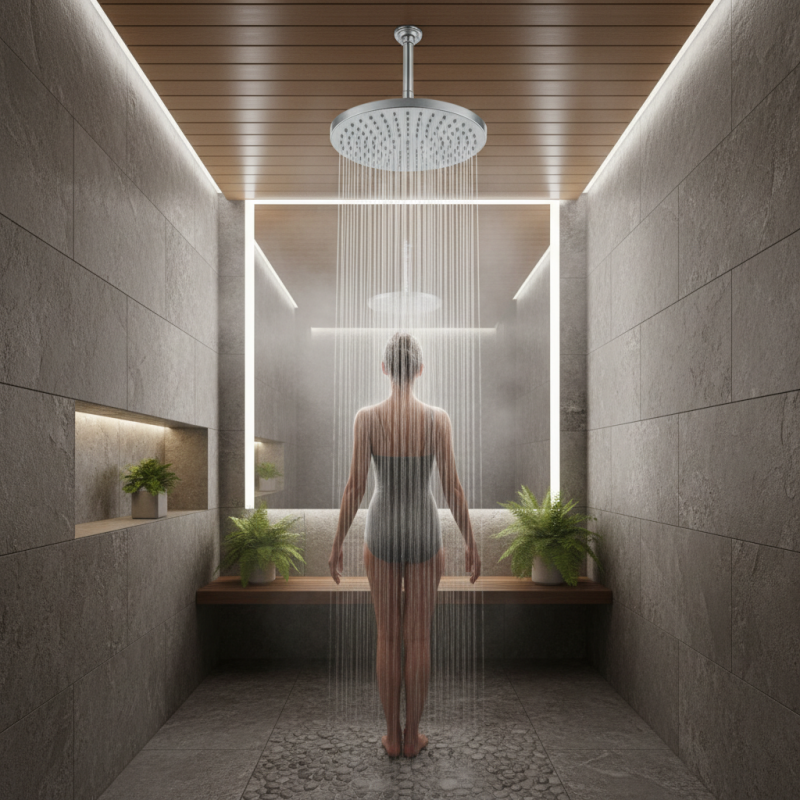
What Is a Rain Shower: Definition and Features
A rain shower is a type of shower that mimics the gentle, soothing experience of standing under natural rainfall. Its design often includes a wider, flat showerhead that disperses water over a larger area. This showerhead can be mounted on the wall or on the ceiling, providing a unique angle for water flow. Many people find the feeling of water pouring down from above calming and refreshing.
The features of a rain shower can vary. Some models include adjustable settings, allowing for different water pressures. The water flow can range from a light drizzle to a more forceful spray. The aesthetics also matter, blending seamlessly with the bathroom decor. However, it’s important to consider water usage; some rain showers consume more water than traditional models. Balancing comfort and environmental impact can pose a challenge.
Installing a rain shower requires proper plumbing. Ensure water pressure is adequate for an enjoyable experience. It's also worth noting that cleaning a larger showerhead can be tedious. Over time, mineral buildup can obstruct flow. Regular maintenance is essential for optimal performance.
The Design of Rain Showers: Components and Structure
Rain showers are a popular choice in modern bathrooms. Their design focuses on creating a soothing experience. The structure of a rain shower typically includes a large, flat showerhead mounted overhead. This design mimics natural rain, providing an immersive feeling. The showerhead is connected to plumbing and requires a well-designed water flow system.
The components of a rain shower are essential for optimal performance. Water must flow uniformly from the head. The diameter of the showerhead can vary, usually ranging from 8 to 16 inches. A wider showerhead allows for more coverage. Many rain showers also include adjustable settings, though simplicity is often preferred.
Maintaining rain showers can be challenging. Mineral buildup can obstruct water flow over time. Regular cleaning helps ensure a consistent experience. Additionally, some users may find the water pressure is lower than expected. This can be frustrating. Understanding these imperfections can help improve the overall experience.
What is a Rain Shower and How Does it Work? - The Design of Rain Showers: Components and Structure
| Component | Function | Material | Common Size |
| Showerhead | Distributes water in a rain-like pattern | Stainless Steel, ABS Plastic | 8-12 inches |
| Wall Arm | Mounts the showerhead to the wall | Brass, Stainless Steel | Varies (typically 10-12 inches) |
| Flow Control Valve | Regulates water flow and pressure | Brass | Standard Size |
| Water Supply Line | Delivers water from plumbing | PVC, Copper | 1/2 inch diameter |
| Shower Valve | Controls temperature and flow of water | Brass, Plastic | Standard Size |
How Rain Showers Function: Mechanisms and Technology
Rain showers are increasingly popular in modern bathrooms. They simulate natural rainfall to create a soothing experience. Understanding how they function involves examining their mechanisms and technology.
Typically, rain showers use a large showerhead. This design disperses water over a wide area. A report from the American Society of Plumbing Engineers indicated that these heads typically have a flow rate of 2.5 gallons per minute. While this can provide a relaxed shower experience, it may lead to increased water usage. Some models even offer adjustable flow settings.
Rain showers work through pressurized water systems. They rely on gravity to enhance water flow. This creates a gentle downpour effect. However, if not installed correctly, they can lead to inconsistent water pressure. Homeowners often report fluctuating pressure during use, which can be frustrating. Additionally, the installation can present challenges. Proper placement is crucial to avoid water pooling on the shower floor. Despite their popularity, the installation process can be daunting for many.
Rain Shower Water Usage Statistics
Benefits of Using a Rain Shower: Comfort and Experience
A rain shower offers a unique and comforting experience. The gentle flow of water mimics natural rainfall. This soothing sensation can help relieve stress. Many users report feeling more relaxed and refreshed after a rain shower. According to industry surveys, 70% of homeowners prefer rain showers for their calming effects.
The benefits of using a rain shower go beyond relaxation. Studies show that a rain shower can help improve your overall well-being. The wider spray pattern covers more of the body, providing an enveloping experience. This can lead to improved circulation and a sense of warmth. The water pressure, however, must be optimal. If not, some users might feel disappointed.
Additionally, the aesthetics of a rain shower can enhance a bathroom's look. Many people appreciate sleek designs that evoke a spa-like atmosphere. According to a recent report, the bathroom remodeling market is expected to reach $31 billion by 2025. Yet, it’s essential to think about the practicality. Some may find it difficult to adjust to the difference in water pressure compared to traditional showers. These nuances can impact user satisfaction and should not be overlooked.
Installation and Maintenance Tips for Rain Showers
Installing a rain shower requires careful consideration. Ideal water pressure should range from 40 to 60 psi for effective operation. If your pressure is lower, the spray may not mimic natural rain. It's wise to test your water supply before installation. Most rain shower heads need a minimum flow rate of 2.5 gallons per minute to create that luxurious experience. Inconsistent water flow can lead to dissatisfaction. Ensure that your plumbing can handle this demand.
Maintenance is crucial for longevity. Regularly clean the showerhead to prevent mineral build-up. A vinegar soak helps remove deposits, improving water flow. It's recommended to check for leaks at least once a year. Minor leaks can escalate, leading to larger water bills. The average household loses about 10,000 gallons of water annually to leaks, according to the EPA. Also, inspect your shower's water temperature settings. If family members report frequently scalding experiences, revisit your thermostatic mixing valve. Regular checks can save time and enhance safety.