
Choosing the right Energy efficient aluminum windows requires more than comparing attractive frames and advertised prices. Global buyers must examine U-values, solar heat gain, air leakage, glazing quality, and thermal-break performance. Climate matters greatly. A window designed for Helsinki may perform poorly in Singapore.
During product evaluations, experienced façade consultants often inspect frame corners, gasket compression, drainage paths, and glass spacers. These small details can influence condensation, comfort, and long-term durability. A warm-edge spacer may reduce cold surfaces near the glass. A reliable polyamide thermal break can limit heat transfer through the aluminum frame. Performance is measurable.
Dr. Stephen Selkowitz, a respected building-science expert, has described windows as “the most complex and dynamic component of a building envelope.” That observation guides this review. The following selection considers tested thermal performance, installation practicality, material quality, warranty clarity, and suitability for different regions. It also considers whether manufacturers provide credible laboratory data instead of vague efficiency claims.
No ranking is perfect. Product availability changes, and installation quality can alter real-world results. An excellent window can still underperform when the opening is poorly sealed. Aluminum also has an environmental trade-off: it is durable and highly recyclable, yet primary production can require substantial energy. Buyers should therefore compare recycled content, certifications, maintenance needs, and expected service life.
These ten Energy efficient aluminum windows represent practical options for architects, developers, contractors, and homeowners. The goal is not to promote one universal winner. It is to help buyers make a clearer decision, even when technical specifications remain incomplete.
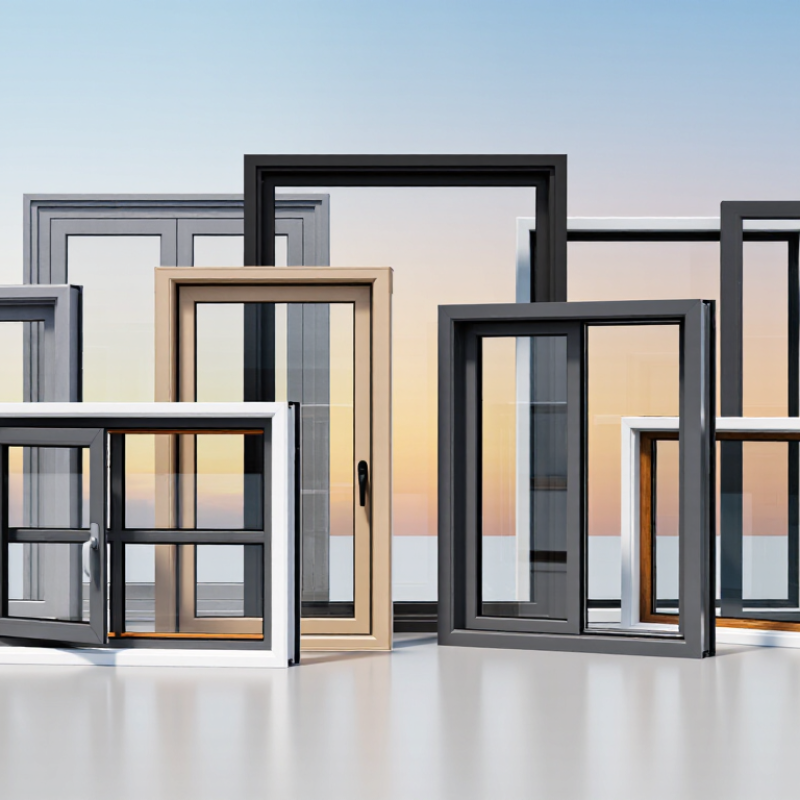
Energy-efficient aluminum windows begin with the frame, not the glass alone. Aluminum conducts heat quickly, so a polyamide thermal break separates inner and outer profiles. This reduces the cold bridge around the sash. The U.S. Department of Energy reports that windows can cause 25–30% of residential heating and cooling energy use. That figure makes frame design important for global buyers, especially in mixed climates.
Low-emissivity coatings reflect infrared heat, while argon-filled double or triple glazing slows conduction. In its rating framework, the National Fenestration Rating Council evaluates U-factor, solar heat gain coefficient, visible transmittance, and air leakage. A lower U-factor generally means better insulation. However, a window can perform poorly when installation leaves gaps around the frame. Foam, compression seals, and carefully sealed corners matter more than many catalog images suggest.
Solar heat gain should match the climate. In hot regions, a lower SHGC can reduce cooling demand and glare. In colder regions, controlled solar gain may support passive heating. European markets often use Uw in W/m²K, while North American labels commonly use U-factor. Buyers should not compare values without checking units and test conditions. No frame is perfect. Site exposure, glass size, shading, and workmanship can still change real-world performance.
| No. | Aluminum Window Configuration | Frame Energy-Efficiency Features | Recommended Glazing | Typical Whole-Window U-Factor | Typical SHGC | Typical Visible Transmittance | Best-Suited Climate or Application | Why It Is Energy Efficient |
|---|---|---|---|---|---|---|---|---|
| 1 | Thermally broken triple-glazed casement window | Polyamide thermal barrier, insulated frame cavities, compression seals, and low-conductivity spacers | Triple insulating glass; two low-emissivity coatings; argon fill; warm-edge spacer | 0.75–1.10 W/m²·K | 0.30–0.45 | 0.55–0.70 | Cold, alpine, and heating-dominated climates | Three glass layers and a thermally separated frame reduce conductive and radiant heat transfer. |
| 2 | Thermally broken double-glazed tilt-and-turn window | Continuous thermal break, multi-point locking, and compression gaskets on the opening sash | Double low-e insulating glass; argon fill; warm-edge spacer | 1.10–1.50 W/m²·K | 0.35–0.50 | 0.55–0.75 | Mixed climates and energy-efficient residential buildings | The compression closure generally provides better air control than a sliding opening of similar size. |
| 3 | Thermally broken low-solar-gain casement window | Insulated aluminum sections, thermal-isolator zones, and high-performance perimeter seals | Double or triple low-e solar-control glass; argon fill | 1.00–1.45 W/m²·K | 0.25–0.35 | 0.45–0.65 | Hot climates and façades with strong solar exposure | Low solar heat gain reduces cooling demand while the thermal break limits heat flow through the frame. |
| 4 | Thermally broken fixed picture window | Thermal-break frame with minimal operating hardware and continuous perimeter sealing | Double or triple low-e insulating glass; argon or krypton fill | 0.70–1.20 W/m²·K | 0.30–0.50 | 0.55–0.75 | Large glazed areas in passive or low-energy buildings | Fixed windows have fewer moving joints, helping reduce air leakage and improve whole-window performance. |
| 5 | Thermally improved aluminum lift-and-slide door window | Insulated sliding tracks, thermal break, interlocking meeting stiles, and brush or compression seals | Double or triple low-e safety glass; argon fill; warm-edge spacer | 1.20–1.80 W/m²·K | 0.30–0.45 | 0.50–0.70 | Warm and mixed climates requiring wide openings | Thermal separation improves performance, while appropriately designed seals limit leakage around large sliding panels. |
| 6 | Thermally broken awning or hopper window | Insulated aluminum frame, compression seals, and a sash that closes tightly against the gasket | Double low-e insulating glass; argon fill; warm-edge spacer | 1.10–1.55 W/m²·K | 0.30–0.50 | 0.55–0.75 | Mixed climates, basements, bathrooms, and controlled ventilation areas | Compression hardware and gasket contact can provide good air tightness when correctly installed and adjusted. |
| 7 | Thermally broken horizontal sliding window | Insulated frame, interlocking sash profiles, drainage design, and replaceable weather seals | Double low-e insulating glass; argon fill; warm-edge spacer | 1.40–2.00 W/m²·K | 0.30–0.50 | 0.50–0.70 | Moderate climates and projects prioritizing space-saving operation | The thermal break reduces frame conduction, although sliding systems usually require careful seal and track design. |
| 8 | Thermally broken skylight or roof window | Insulated aluminum curb or frame, thermal separators, moisture drainage, and robust compression gaskets | Double or triple laminated low-e glass; argon fill; solar-control option | 1.00–1.60 W/m²·K | 0.25–0.45 | 0.45–0.65 | Daylighting applications, subject to roof orientation and solar exposure | Low-e glazing controls heat transfer and solar gain; correct flashing and installation are essential to avoid thermal bridges. |
| 9 | Thermally broken narrow-frame commercial curtain-wall window | Thermally improved mullions, pressure-equalized drainage, insulated back pans, and sealed glazing pockets | Double or triple low-e insulating glass; argon fill; warm-edge spacer | 1.20–1.80 W/m²·K | 0.25–0.45 | 0.45–0.70 | Office buildings and large glazed commercial façades | Thermal improvements at mullions, spandrels, glass edges, and interfaces reduce repeating thermal bridges. |
| 10 | Recycled-aluminum thermally broken window | Thermally separated frame made with a high recycled-content aluminum alloy, insulated cavities, and durable seals | Double or triple low-e insulating glass; argon fill; warm-edge spacer | 1.00–1.70 W/m²·K | 0.30–0.50 | 0.50–0.75 | Projects combining operational energy efficiency with lower embodied carbon | Recycled content primarily reduces embodied energy; the operational performance depends on the thermal break, glazing, seals, and installation. |
| Performance values are representative design ranges for comparable aluminum window configurations, not guaranteed product ratings. Actual results depend on frame size, glazing composition, spacer material, hardware, installation quality, orientation, and the test method used. U-factor is shown in SI units; lower values indicate better insulation. SHGC indicates the fraction of incident solar heat admitted, while visible transmittance indicates the fraction of visible light transmitted. | ||||||||

© 2025 Acadia Craft. Powered by Integrity Marketing Serving Woodinville, Kirkland, Bellevue & The Greater Seattle Area