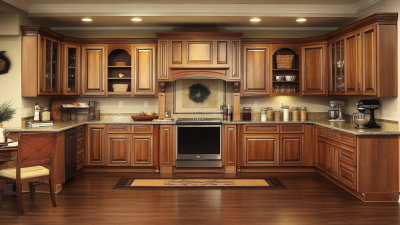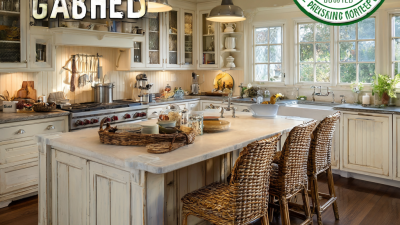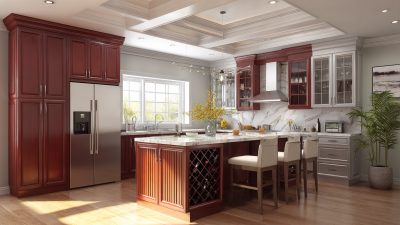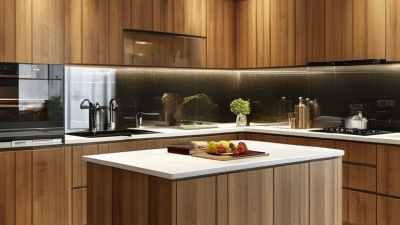
Kitchen Cabinets Ideas remain popular because they connect beauty with everyday function. A cabinet is not merely a storage box. It frames the room, guides movement, and influences how people prepare meals each day. Soft-close drawers, deep pantry units, and pull-out shelves can turn awkward corners into useful spaces. Even a small kitchen feels more deliberate when its storage matches real routines.
Kitchen designer Mick De Giulio captures this emotional value with a simple statement: “The kitchen is the heart of the home.” His observation helps explain why homeowners study Kitchen Cabinets Ideas before choosing finishes, layouts, or hardware. They are not only selecting doors and colors. They are shaping a shared environment, from the morning coffee station to the crowded dinner counter. White shaker cabinets still attract attention, but warm oak, muted green, and mixed textures offer more personality. Trends change quickly. Practical needs remain.
Experience also shows that attractive cabinets can disappoint when measurements, lighting, or installation are overlooked. A beautiful island may block two people from passing comfortably. Glossy fronts may reveal fingerprints near a busy sink. These details deserve honest consideration. The most reliable ideas balance visual appeal, maintenance, budget, and long-term durability. That balance is imperfect. It should be questioned.
This article explores why Kitchen Cabinets Ideas continue to influence renovations and new homes. It considers popular styles, useful layouts, material choices, and common planning mistakes. Readers will find inspiration, but also practical limits. Good design should look inviting. It should work hard, too.
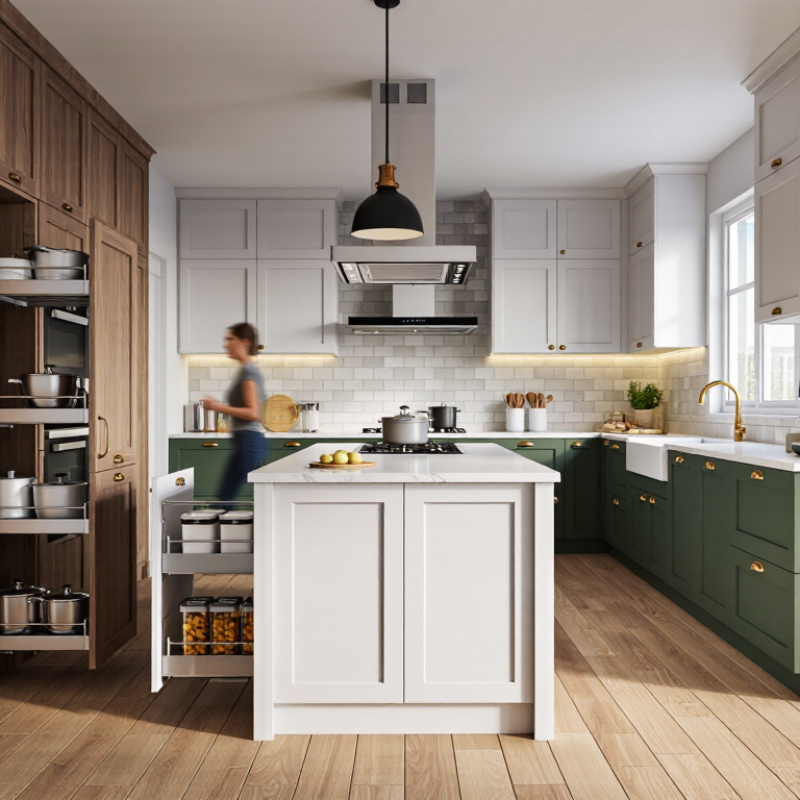
Kitchen cabinet ideas are practical concepts for shaping storage, movement, and visual character. They include cabinet layout, door style, materials, hardware, lighting, and internal organizers. A useful idea solves a daily problem, such as storing heavy pans below the cooking zone. It also considers clearance around doors and drawers. Kitchen design professionals often begin with workflow, not color.
The Houzz 2024 U.S. Kitchen Trends Study reports that 76% of renovating homeowners upgraded their cabinets. This figure shows how central cabinets are to kitchen improvements.
The National Kitchen and Bath Association’s 2024 Kitchen Trends Report also highlights storage efficiency, durable surfaces, and multifunctional spaces. These priorities explain the popularity of tall pantry units, deep drawers, recycling pullouts, and lighting beneath wall cabinets. I once favored open shelving for its airy appearance. In practice, dust and uneven displays changed my opinion. That experience still needs refinement.
Tips: Measure appliances, wall length, and walking space before choosing a layout. Keep frequently used dishes near the dishwasher. Use drawers for cookware when possible. Select moisture-resistant materials near sinks. Test sample finishes under daylight and warm evening light. Remember that a beautiful cabinet plan can fail when handles feel awkward or doors collide. Consult a qualified kitchen designer for structural changes, electrical planning, and accessibility details.
Why Are Kitchen Cabinet Ideas So Popular?
Kitchen cabinet ideas now reflect how people actually live. The kitchen is no longer only a cooking space. It may be a home office, homework desk, coffee corner, or social room. Houzz’s 2024 U.S. Kitchen Trends Study reports that 76% of renovating homeowners upgraded their cabinetry. This suggests that storage remains central to modern renovations.
Changing routines also shape cabinet layouts. Tall pantry units support bulk shopping and reduce countertop clutter. Deep drawers make heavy cookware easier to reach. Built-in charging drawers suit hybrid work and busy family schedules. The National Kitchen & Bath Association’s 2024 design research highlights growing interest in multifunctional kitchens, improved storage, and accessible features. These choices can support aging homeowners, too. Lower shelves, pull-out trays, and wider pathways offer practical comfort.
Still, not every popular idea works well. Open shelving may look warm, but it quickly displays dust and uneven dishes. Handleless doors appear clean, yet greasy fingerprints can become annoying. Cabinet planning needs real-life testing, not only attractive photos. A designer’s measurements and installation experience can prevent expensive mistakes.
Tips: Track your daily movements for one week. Note where groceries, pans, appliances, and waste actually collect. Choose cabinet features that solve those problems. Leave some flexibility, because lifestyles change faster than many kitchens.
| Lifestyle Dimension | Documented Data | What the Data Suggests | Kitchen Cabinet Design Response | Source |
|---|---|---|---|---|
| Working from home | 13.8% of U.S. workers worked from home in 2023. | Kitchens increasingly support more than meal preparation. They may also function as informal work, study, and communication areas. | Use dedicated appliance garages, concealed charging drawers, integrated task lighting, and cabinets that separate work supplies from food-storage zones. |
U.S. Census Bureau, American Community Survey, 2023, Table S0801: data.census.gov |
| Remote-capable employment | 58% of workers with jobs that could be performed remotely worked from home at least some of the time in early 2023. | Flexible work patterns make multifunctional rooms more valuable and increase the importance of visual order in open-plan spaces. | Favor full-height storage, pocket doors, closed cabinetry, and a mix of open and concealed storage to quickly shift the kitchen between work and family use. |
Pew Research Center, 2023: pewresearch.org |
| Aging in place | 75% of adults age 50 and older said they would prefer to remain in their current homes as they age. | Long-term usability is becoming a major consideration, not just appearance or short-term resale appeal. | Include pull-out shelves, drawers instead of deep base cabinets, easier-to-grip hardware, contrasting edges, and storage placed between waist and shoulder height. |
AARP, 2024 Home and Community Preferences Survey: aarp.org |
| Homeownership | 65.7% was the U.S. homeownership rate in the fourth quarter of 2023. | A large share of households has a direct, long-term interest in improving the function and comfort of its own kitchen. | Cabinet ideas often emphasize durable finishes, replaceable hardware, flexible internal fittings, and layouts that can adapt to future household needs. |
U.S. Census Bureau, Housing Vacancies and Homeownership, Q4 2023: census.gov |
| Smaller household patterns | 29% of U.S. households were one-person households in 2023. | Not every kitchen needs maximum capacity; many households value efficient storage, easy access, and uncluttered surfaces. | Use customized drawer banks, vertical tray storage, compact pantry systems, and cabinet interiors organized around smaller quantities and frequent-use items. |
U.S. Census Bureau, American Community Survey, 2023 household data: census.gov |
| Multigenerational living | 26% of children in the U.S. lived in a multigenerational household in 2023. | Shared kitchens may need to serve people with different ages, routines, accessibility needs, and food-storage preferences. | Consider multiple preparation zones, clearly labeled storage, adjustable shelves, child-accessible drawers, and separate areas for specialty ingredients or equipment. |
Annie E. Casey Foundation, Kids Count Data Center, multigenerational household indicator: aecf.org |
| Kitchen remodeling activity | U.S. residential remodeling and repair spending was projected to reach approximately $485 billion in 2024. | A large remodeling market creates strong interest in ideas that improve storage, workflow, aesthetics, and long-term household value. | Popular concepts combine practical upgrades—such as improved drawer capacity and pantry organization—with visible style changes such as two-tone cabinetry and furniture-inspired details. |
Harvard Joint Center for Housing Studies, Improving America’s Housing 2023: jchs.harvard.edu |
| Energy and environmental awareness | 69% of Americans said in 2023 that they were willing to make at least some changes in their lives to help reduce the effects of climate change. | Material longevity, repairability, and responsible sourcing can influence cabinet decisions alongside color and layout. | Prioritize durable construction, low-emission finishes, long-lasting hardware, efficient use of materials, and layouts designed to avoid premature replacement. |
Pew Research Center, 2023 climate-change attitudes survey: pewresearch.org |
Kitchen cabinets are popular because they make everyday routines feel more controlled and comfortable. Their appeal comes from design features, not decoration alone. In renovation projects, I often see homeowners choose deep drawers for heavy pans and adjustable shelves for changing storage needs. Full-extension hardware also brings items into view, reducing awkward reaching. Small details matter.
The 2024 U.S. Houzz Kitchen Trends Study found that 76% of renovating homeowners upgraded their cabinets. This figure shows how strongly cabinet design influences kitchen improvement decisions. Door fronts with simple lines create a calmer visual field, while warm wood tones add texture without overwhelming the room.
According to the National Kitchen & Bath Association’s 2024 Kitchen Trends Report, professionals continue to emphasize functional storage, layered lighting, and practical kitchen zones. Islands become more appealing when they include seating, waste sorting, and concealed charging areas. Better use of space.
Still, attractive cabinets can create problems. Open shelving may look spacious, yet it exposes dust and uneven dish stacks. Glossy finishes reflect light beautifully, but fingerprints appear quickly. I have also seen oversized islands interrupt movement in smaller kitchens. The data supports popular features, but it cannot replace accurate measurements or honest household habits. A cabinet plan should fit real hands, real cookware, and real cleaning routines.
Kitchen cabinet ideas remain popular because they shape both the appearance and daily rhythm of a kitchen. A well-planned cabinet wall can make a narrow room feel calmer, while poor placement creates constant frustration. In my kitchen planning experience, people often notice door color first. They usually remember drawer access later.
Beauty works best when it supports practical movement. Flat fronts create a clean visual line, while framed doors add warmth and depth. Yet appearance should not decide everything. Deep lower drawers can hold heavy pots safely, reducing awkward bending. Adjustable shelves help store appliances of different heights. A narrow pull-out cabinet can use an unused gap beside the oven. Small details matter.
Storage needs careful measurement, not guesswork. Plates should sit near the dishwasher, and cooking tools should remain close to the main preparation area. Soft-close hinges reduce noise, but they cannot fix badly positioned cabinets. Durable finishes also deserve attention, especially near sinks where moisture collects. I once preferred open shelving for its light appearance, but dust changed my mind. It looked beautiful. It needed too much cleaning.
Good cabinet design also considers lighting, reach, and future changes. Frequently used items should stay between eye and waist level. Children and older adults may need easier handles and safer access. A balanced plan leaves enough clear counter space for chopping, serving, and unexpected messes. Perfection is unrealistic. The best kitchen feels attractive because it works naturally, even when life gets untidy.
Kitchen cabinet ideas remain popular because they combine daily usefulness with visible character. Cabinets frame the room, store cookware, and influence how spacious the kitchen feels. A pale, flat-front design can brighten a narrow apartment. Natural wood can make a large kitchen feel warmer. These choices are practical, but never completely neutral.
The Houzz 2024 U.S. Kitchen Trends Study reported a median spend of $55,000 for major kitchen renovations. That investment makes cabinet planning especially important. Homeowners want durable storage, soft-close drawers, waste-sorting areas, and deeper pantry shelves. The same study found that 76% of renovating homeowners upgraded cabinets. This figure shows their lasting importance, not merely a passing style preference. In my project experience, a drawer beside the dishwasher often saves more time than decorative lighting. Small details matter.
The National Kitchen and Bath Association’s 2024 Kitchen Trends Report also identified transitional and contemporary influences as strong design directions. Their appeal comes from flexibility. Simple doors can accept new handles, paint, or surrounding materials years later. That adaptability supports long-term value. Still, popular ideas are not automatically perfect. Open shelving may look elegant, but dust and limited storage can frustrate busy households. Oversized islands can improve preparation space while restricting movement. Cabinet planning should follow real routines: where groceries enter, where pans are lifted, and what children can reach. Trends help start the conversation, but measurements and honest habits should decide the final layout.
Whether you’re a homeowner, builder, or designer, you’ll find that our elegant cabinets create a breathtaking space that evokes positive emotions and encourages lasting memories. We invite you to explore our website to learn more about who we are and how we can help you.
Woodinville | Bellevue | Seattle | Kirkland | California | Berkeley | Walnut Creek | Roseville, CA
© 2025 Acadia Craft. Powered by Integrity Marketing Serving Woodinville, Kirkland, Bellevue & The Greater Seattle Area