
Why Choose Aluminium Windows and Doors for Your Project?

Choosing aluminium windows and doors can influence a project’s appearance, daylight, comfort, and long-term upkeep. Their narrow frame profiles can create a clean sightline and leave more glass visible, while the material offers strength for many residential and commercial designs. Window Door Aluminium systems also come in varied finishes, opening styles, and frame configurations, making it easier to coordinate them with a façade or interior scheme.

The details matter. A dark frame beside pale brick looks crisp, but it may show dust more readily than a lighter finish. Small details matter. Thermal breaks, suitable glazing, seals, hardware, and careful installation all affect how a window or door performs. Aluminium alone does not guarantee good insulation or prevent drafts. Project conditions and product specifications should guide the choice.

There is a catch. Aluminium frames may cost more than some alternatives, and performance varies between products. Compare documented thermal ratings, finish warranties, drainage design, and maintenance guidance rather than relying on appearance alone. Ask how the system suits the local climate, the opening size, and the building’s exposure to wind or rain. A large sliding door may look impressive in a showroom, yet its track and seals need practical attention. That part is easy to overlook. With clear specifications and competent installation, aluminium can be a durable, low-maintenance option—but it is not automatically the right answer for every project.
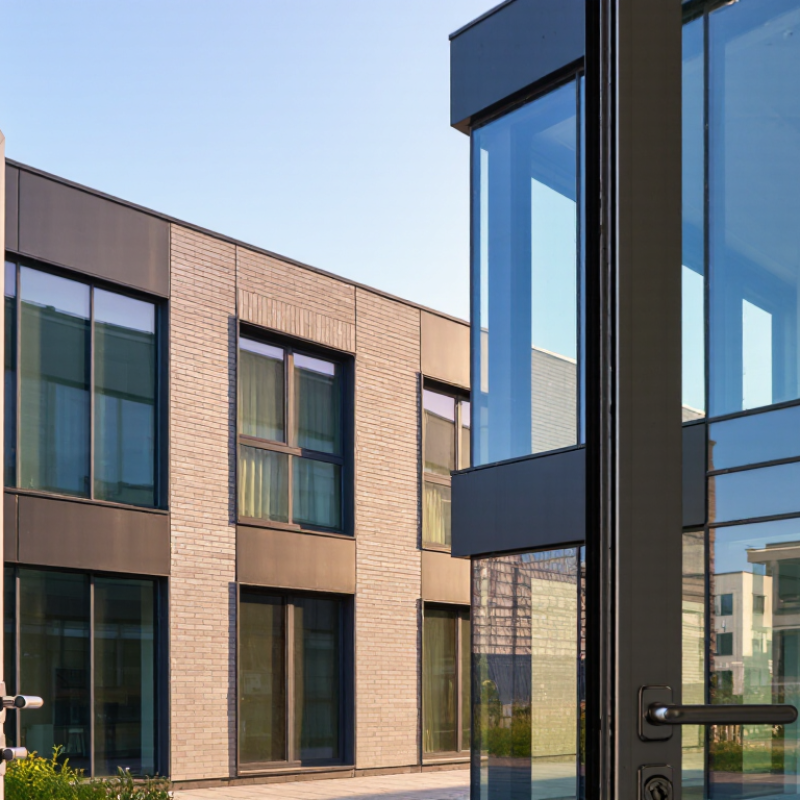
Why Choose Aluminium Windows and Doors for Your Project?

What Aluminium Windows and Doors Are

Aluminium windows and doors are framed openings made from shaped aluminium profiles, glazing, seals, and operating hardware. The profiles hold glass panels in place and connect to the surrounding wall. Aluminium is light yet strong, so frames can be relatively slim while supporting broad panes. Many systems include a thermal break: an insulating strip between the frame’s inner and outer sections. Without it, heat can travel through the metal more easily. Details matter.

The U.S. Department of Energy’s Energy Saver guidance estimates that windows account for 25–30% of residential heating and cooling energy use. That figure applies to windows generally, not aluminium frames alone. Performance depends on the full assembly, including glass, weather seals, installation, and local climate. Aluminium can also be recycled; the International Aluminium Institute reports that recycling uses about 5% of the energy needed to produce primary aluminium. Still, recycled content and actual performance vary. A neat frame is not the whole story.

Tips: Ask for the frame’s thermal-break details, glazing specification, and tested whole-window performance. Check the corner joints and seals, too. Small gaps can matter. And if the room feels chilly beside a closed window, the frame or installation may deserve a closer look.

How Aluminium Frames Perform in Building Projects

On building projects, aluminium frames offer a useful balance of strength and low weight. Their slim profiles can support broad glazed openings without bulky sightlines. This can bring more daylight into a room and help designers make better use of limited space. On site, lighter components may also be easier to handle, though lifting plans and safe installation still matter.

Performance depends on more than the frame material. Thermal breaks reduce heat transfer through the metal, while suitable glazing and careful seals help control heat loss and drafts. Poorly aligned frames can still leak air or collect water. Small details matter. Installers should check opening dimensions, drainage paths, and fixing points before the units arrive. A rushed fit can undo careful product selection.

Aluminium resists corrosion well in many common environments, and its rigid sections can suit large doors and frequently used entrances. Yet coastal exposure, coatings, and maintenance requirements deserve attention. No frame is maintenance-free. Project teams should compare tested thermal and air-tightness data, not rely on appearance alone. One point is easy to overlook: the wall-to-frame junction often affects comfort as much as the frame itself. There is no perfect system; the right choice depends on climate, budget, and how the building will be used.

Key Benefits of Choosing Aluminium

Aluminium suits projects where slim sightlines, large panes, and sturdy frames matter. Its strength allows narrower profiles than many traditional frame materials, bringing more daylight into kitchens, stairwells, and office corners. The material also resists rot and does not swell when exposed to rain. A practical benefit. Frames still need sound drainage and finish details, especially near coastal spray.

Recycled content can improve aluminium’s environmental profile. The International Aluminium Institute reports that recycling aluminium requires about 5% of the energy used to produce primary metal. That is a substantial difference, though the actual impact depends on recycled content, manufacturing, transport, and product lifespan. Ask suppliers for documented recycled-content information rather than relying on broad sustainability claims.

One caveat deserves attention. Aluminium conducts heat, so frames without effective thermal breaks can transfer outdoor temperatures indoors. This may affect comfort near a window on cold mornings. Check whole-window energy ratings, glazing specifications, and installation details; the U.S. Department of Energy’s Energy Saver guidance also emphasizes that window performance depends on the complete assembly. Nice frames are not enough. A small gap around the perimeter can undermine an otherwise carefully specified unit.

Available Styles, Finishes, and Configurations

Aluminium windows and doors come in more styles than slim, modern frames. Casement units open outward for clear ventilation, while sliding doors suit patios where a swinging panel would take up space. Fixed picture windows can bring daylight into a hallway or living room without adding an opening mechanism. Slim sightlines are appealing, but very large panes still need careful sizing and support. Small details matter. Handle shape, frame depth, and the direction a door opens can change how a room feels and functions.

Finishes range from powder-coated colours to anodised metallic tones, with textured surfaces available for a softer look. A dark frame can create a crisp edge against pale walls, though it may show dust more clearly than expected. Wood-effect finishes offer warmth, but samples should be checked in the project’s actual light. Configurations can combine fixed glazing, opening windows, and sliding or hinged doors within one elevation. Before choosing, check how the frame meets the floor, how screens will fit, and whether cleaning access is practical. Those details are easy to overlook on a drawing. They matter once the frames are installed.

Why Choose Aluminium Windows and Doors for Your Project? — Available Styles, Finishes, and Configurations

Design option Common configurations Available finishes Practical advantages Project considerations
Casement window Side-hinged, outward-opening sash; available as a single unit or in paired arrangements. Powder-coated colors, anodized metallic finishes, and selected textured finishes. Opens widely for ventilation and can provide clear sightlines with slim frame sections. Allow for the sash swing outside and check hardware, weather seals, and local safety requirements.
Sliding window Two- or multi-panel layouts with one or more sliding sashes. Single-color, dual-color, and metallic-look options, subject to the chosen system. Does not require an outward or inward swing, making it useful near walkways and furniture. Only part of the opening is available for ventilation at one time; tracks need periodic cleaning.
Tilt-and-turn window A sash that tilts inward for limited ventilation or swings inward for a larger opening. Powder-coated or anodized finishes; interior and exterior colors may differ in some systems. Offers two opening modes and allows the inside glass surface to be reached for cleaning. Requires inward clearance and compatible multi-point hardware.
Bi-fold door Multiple hinged panels that fold and stack to one or both sides. Broad powder-coat color selections and, where offered, anodized finishes. Can create a wide opening between indoor and outdoor spaces. Plan for panel stacking space, threshold accessibility, drainage, and structural support.
Lift-and-slide door Large sliding panels operated with lift-and-slide hardware; fixed panels can be combined with moving panels. Powder-coated colors, anodized finishes, and coordinated frame options, depending on the system. Designed to move large glazed panels while keeping the opening path clear of swinging leaves. Panel size, glass weight, hardware capacity, threshold design, and installation tolerances need careful coordination.
Fixed window Non-opening unit; can be combined with operable windows or doors in a larger glazed elevation. Typically available in the same coating and color range as compatible operable units. Provides daylight and views without requiring opening hardware. Does not provide ventilation; consider cleaning access and glass specification for the location.

Performance depends on the selected frame system, thermal-break design, glazing, hardware, fabrication, and installation. Confirm tested thermal, air, water, and structural performance for the specific project and applicable local standards.

Factors to Consider When Selecting Aluminium Windows and Doors

When selecting aluminium windows and doors, start with climate, orientation, and room use. A west-facing bedroom needs different solar control from a shaded hallway. The U.S. Department of Energy’s Energy Saver guidance estimates that windows account for about 25–30% of residential heating and cooling energy use. That makes glass performance and frame design worth checking together.

Read the NFRC label, not just the product brochure. Compare U-factor for heat transfer and solar heat gain coefficient for sunlight entering the room. Lower is not always better: a cold-climate home may benefit from useful winter sun, while a hot, exposed room may need lower solar gain. Aluminium conducts heat readily, so look for a well-designed thermal break and confirm the whole-window ratings. Fit matters.

Check the opening size, drainage details, hardware, and finish before ordering. A large sliding door can feel effortless in a showroom but become awkward with a heavy panel or poor track alignment. Ask how the system performs under local wind and rain conditions, and have installation details reviewed by a qualified professional. Even a high-rated window can underperform if the frame is poorly sealed. One thing is easy to miss: maintenance access. A narrow exterior ledge or inaccessible track can make routine cleaning frustrating.

Why Choose Aluminium Windows and Doors?

Compare a key factor to consider: the thermal conductivity of common frame materials.

How to interpret this: The values are approximate bulk-material thermal conductivity, not whole-window performance. Aluminium conducts heat more readily, so thermally broken frames help reduce heat transfer. When comparing products, check the complete window or door’s U-factor, glazing, seals, and installation details. Values vary by alloy, formulation, and timber species.