Why Choose Professional Cabinet Makers for Global Sourcing?

Global cabinet sourcing is no longer a simple price comparison. Buyers must evaluate materials, production accuracy, documentation, logistics, and after-sales support. Professional Cabinet Makers bring these requirements together through tested workshop systems and practical manufacturing experience. They can review drawings, identify weak joinery, and recommend suitable plywood, hardwood, laminates, or hardware before production begins.

Industry data supports this need for disciplined sourcing. Deloitte’s 2023 Global Chief Procurement Officer Survey identifies supply disruption and risk management as major procurement priorities. McKinsey’s research on supply-chain resilience also emphasizes better visibility, supplier collaboration, and alternative sourcing routes. These findings matter when a container holds hundreds of doors, panels, and fittings. One incorrect measurement can delay installation across an entire project. Details matter.

Professional Cabinet Makers can provide sample approvals, production photographs, inspection records, and clearer lead-time commitments. They may also support responsible material choices through certifications such as FSC, where applicable, and quality systems aligned with ISO 9001 principles. Houzz’s 2024 U.S. Kitchen Trends Study shows continued homeowner investment in kitchen upgrades, increasing expectations for durability, storage efficiency, and personalized design. Global suppliers must therefore deliver more than attractive product images.

Still, no supplier is flawless. A polished website does not prove factory capability. Buyers should verify machinery, moisture control, packaging tests, and communication practices before signing an order. The strongest sourcing decisions combine professional expertise with independent checks, realistic specifications, and documented quality control. This balanced approach explains why experienced Cabinet Makers can become more reliable global sourcing partners than low-cost traders.
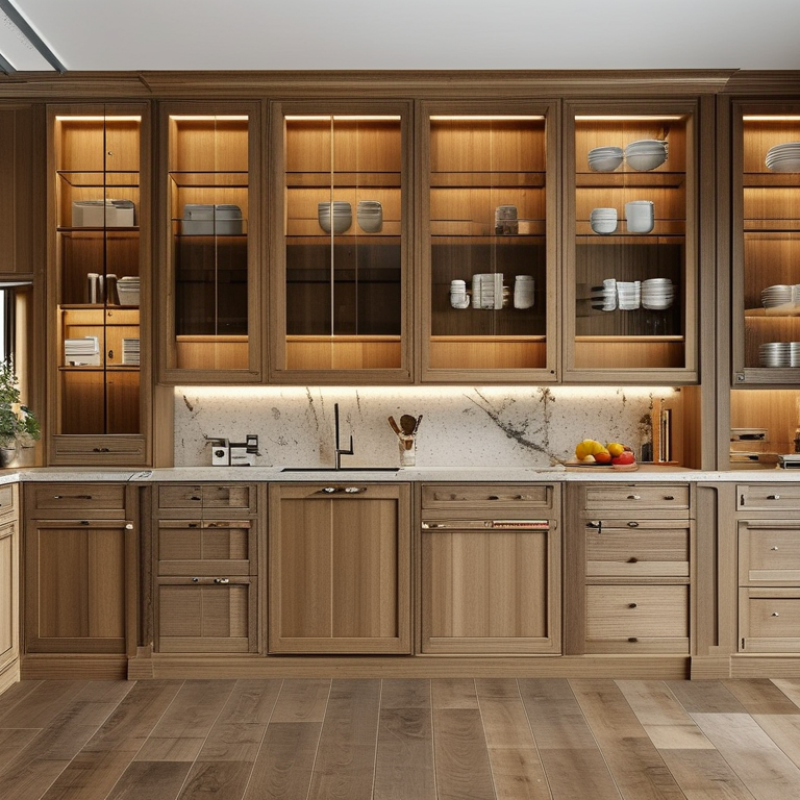
Why Choose Professional Cabinet Makers for Global Sourcing?

Understanding the Role of Professional Cabinet Makers in Global Sourcing

Professional cabinet makers do more than produce attractive doors and drawers. They translate design intentions into measurable sourcing requirements. Their experience helps buyers assess wood moisture, panel stability, hardware compatibility, and finish durability before placing large orders. A skilled maker can review factory samples, inspect joinery, and identify small defects that photographs often hide.

Their role becomes more valuable across borders. They compare production methods, clarify tolerances, and document details such as edge thickness, drilling positions, carton protection, and installation needs. They can also communicate practical feedback between designers, suppliers, and logistics teams. This reduces expensive misunderstandings. Still, no process is perfect. Even experienced teams may overlook a minor color shift or a fitting problem. That is why written approvals and independent inspections remain important.

Tips: Request a physical sample before bulk production. Record every dimension and finish reference. Ask how materials are stored and tested. Review packaging with the final installation location in mind. Keep a small tolerance allowance, because real workshops are not laboratories. Listen carefully to the maker’s concerns; they often notice risks earlier than purchasing teams.


Evaluating Quality, Materials, and Manufacturing Expertise

Professional cabinet makers bring practical discipline to global sourcing, especially when quality must remain consistent across distance. Experienced sourcing teams inspect more than surface appearance. They check panel flatness, edge sealing, hinge alignment, and drawer movement. A well-made cabinet should open quietly and close without scraping. Small details reveal large process problems.

Material evaluation requires clear evidence. Ask for core specifications, moisture resistance data, finish samples, and formal quality records. Solid wood, plywood, and engineered panels each perform differently in humid environments. A reliable manufacturer explains these differences without hiding limitations. The workshop should also control cutting accuracy, drilling positions, adhesive use, and curing time. Tolerances matter. A two-millimeter error can disrupt an entire kitchen installation.

Factory experience becomes visible during production, not only in a polished sample room. Professional makers use inspection points before assembly, finishing, packing, and shipment. They should provide batch photos, measurement reports, and traceable material information. Still, no workshop is flawless. Samples can deceive. Even a careful supplier may miss a weak edge or inconsistent color. That possibility deserves honest discussion, corrective procedures, and independent inspection. My own evaluation would include a trial order, because promises are easier than repeatable results.

Comparing Customization, Design Support, and Production Capacity

Why Choose Professional Cabinet Makers for Global Sourcing?

Customization is the clearest advantage of working with professional cabinet makers. They can adjust carcass dimensions, hinge positions, drawer depths, and finishes for different markets. This matters when a project must fit uneven walls, compact apartments, or local appliance standards. The 2024 Houzz U.S. Kitchen Trends Study reports that 76% of renovating homeowners hired professional help, showing the value of skilled coordination. Still, customization is not automatically better. Too many options can slow approvals and increase errors.

Experienced makers also provide practical design support. They can turn a mood board into shop drawings, material samples, cut lists, and installation notes. Their advice may expose problems before production begins, such as insufficient clearance beside a refrigerator. The NKBA 2024 Market Outlook places kitchen and bath industry spending at about 219 billion dollars in the United States. That scale reflects a demanding market, where design accuracy affects both cost and customer trust. Production capacity matters too. A capable factory should show stable lead times, inspection records, packaging tests, and backup processes. Numbers alone are not enough.

Tips: Request one prototype before placing a large order. Compare drawings, sample quality, and revision speed. Ask how defects are recorded and corrected. A smaller supplier may communicate better, but lack reserve capacity. That trade-off deserves honest review.

Assessing Costs, Communication, Compliance, and Delivery Risks

Professional cabinet makers bring structure to global sourcing, where a low quote can hide expensive risks. In sourcing projects, I have seen a cabinet price change after hardware, packing, inspection, and freight were added. The final cost matters.

Experienced makers clarify drawings before production begins. They confirm wood species, moisture limits, panel thickness, edge details, and fitting tolerances. A simple sample can prevent hundreds of incorrect units. Communication still fails sometimes. Time zones, unclear translations, and late design changes create avoidable confusion. Shared drawings, written approvals, and scheduled video inspections reduce these gaps.

Compliance requires more than attractive paperwork. Buyers should request material declarations, origin records, test reports, and accurate commercial documents. Requirements vary by destination and product use, so independent review may be sensible. Delivery risks also need practical planning. A professional maker checks carton strength, container loading, production capacity, and seasonal port delays. I once underestimated humidity during transit; several panels required additional inspection on arrival. That mistake changed our process, but it did not remove every risk. A realistic schedule includes buffer time, clear defect procedures, and agreed responsibility for rework.

Why Choose Professional Cabinet Makers for Global Sourcing? - Assessing Costs, Communication, Compliance, and Delivery Risks
Assessment Area Professional Cabinet Maker Low-Bid or Non-Specialized Sourcing Route Potential Business Impact Recommended Verification
Cost Transparency Usually provides an itemized quotation covering materials, hardware, finishing, packaging, tooling, inspection, and agreed Incoterms. The initial unit price may exclude tooling, export packaging, inspection, inland transport, customs charges, or destination fees. A lower factory price can become a higher landed cost when omitted expenses and corrective work are added. Request a landed-cost worksheet showing currency, Incoterm, packaging, duties, freight assumptions, and all one-time charges.
Design and Engineering Can normally convert drawings into shop drawings, cutting lists, hardware schedules, edge details, and installation instructions before production. May rely on incomplete drawings, translated dimensions, or verbal instructions, increasing the chance of interpretation differences. Design changes after production begins can create rework, material waste, and schedule extensions. Approve a revision-controlled drawing package and obtain written confirmation of critical dimensions and tolerances.
Communication Control A dedicated project contact, centralized change log, and regular production updates are commonly available; a one-business-day response target is practical for active projects. Messages may pass through several intermediaries, with slower responses and inconsistent interpretation of technical requirements. Unrecorded changes can cause mismatched finishes, hardware, quantities, or delivery documentation. Define the communication channel, response-time expectation, approval authority, language requirements, and escalation process in the contract.
Material and Emissions Compliance More likely to maintain material specifications and provide traceability documents for panels, coatings, adhesives, and hardware. Material substitutions may occur without clear approval, and documentation may be incomplete or unrelated to the actual production batch. Non-compliant composite wood or coatings can lead to customs holds, rejected goods, recalls, or installation restrictions. Identify the destination-market rules. For example, U.S. composite-wood products may be subject to TSCA Title VI requirements, while European projects commonly specify E1-class emission limits.
Quality Assurance Can establish approved samples, first-article checks, in-process inspections, final inspection criteria, and packaging tests. Inspection may be limited to appearance at the end of production, with no documented control of dimensions, moisture, hardware operation, or finish consistency. Defects discovered after shipment are expensive to sort, repair, replace, or return. Use measurable acceptance criteria. AQL 2.5 is a commonly used sampling reference, but the buyer should set defect limits appropriate to the project.
Production Lead Time For standard-to-custom cabinet programs, a planning range of approximately 30–60 days after approved drawings and material confirmation is common, depending on volume and finish. An attractive quoted lead time may not include sample approval, procurement, rework, inspection, or export preparation. Unclear milestone dates can affect construction sequencing, labor scheduling, and opening dates. Use milestone dates for design approval, material arrival, first article, production completion, inspection, and cargo handover.
International Transit Can coordinate export packing, container loading plans, carton marks, commercial invoices, packing lists, and shipment tracking. Documentation, container utilization, or cargo protection may be handled separately and inconsistently. Ocean transit commonly adds about 20–45 days, depending on route, port pair, transshipment, and congestion; damage or document errors add further delay. Confirm the shipping route, booking cut-off, cargo insurance, moisture protection, loading photos, and responsibility under the selected Incoterm.
Payment and Commercial Risk Typically supports a written purchase order, approved specifications, staged payments, and a defined process for non-conforming goods. Large upfront payments may be requested before drawings, samples, or production controls are completed. Payment disputes and limited remedies can increase financial exposure if goods are late or defective. Use staged payments tied to verifiable milestones and retain a final balance until inspection and required shipping documents are accepted.
Overall Risk Profile Higher quoted price may reflect engineering, quality control, documentation, packaging, and project-management work performed before shipment. Lower apparent price can transfer more technical, compliance, inspection, and logistics responsibilities to the buyer. The lowest unit price does not necessarily produce the lowest total cost or the lowest schedule risk. Select suppliers using a weighted scorecard covering landed cost, technical capability, compliance evidence, quality history, communication, and on-time delivery.
Planning note: The time ranges and control practices shown are indicative industry planning benchmarks, not fixed quotations. Actual costs, lead times, duties, emissions limits, inspection requirements, and shipping conditions must be confirmed for the specific product, destination market, volume, and Incoterm.

Selecting the Right Cabinet Maker for International Projects

Selecting a cabinet maker for an international project requires more than attractive samples. It requires evidence.

McKinsey’s 2024 supply-chain research found that nine in ten companies faced supply disruptions recently. A reliable cabinet maker should explain how it manages material shortages, production delays, and export packaging. Ask for factory photographs, process records, and recent inspection reports. Confirm moisture-resistant materials, hardware specifications, tolerances, and carton testing. These details matter when cabinets travel thousands of miles.

Experience shows that small communication gaps can become expensive installation problems. Request shop drawings with dimensions, drilling positions, finish codes, and assembly instructions. A professional maker should provide a sample door and a written approval process before mass production. Do not accept vague promises.

The 2024 NKBA Market Outlook valued the kitchen and bath market above 200 billion dollars in the United States. That scale increases supplier choice, but it also increases evaluation risk. Compare lead times, defect procedures, replacement policies, and payment milestones. Check whether the maker can support different electrical, construction, and documentation requirements across markets.

Communication needs structure. Weekly production photos help, but they cannot replace independent inspection. I once treated a polished sample as proof of factory consistency. That was a mistake. A second inspection revealed uneven edge finishing that the sample did not show.

Choose a cabinet maker that welcomes difficult questions. Reliable suppliers document answers. They also admit what they cannot control.