
Why Is a Diaper Bag Essential for Parents?

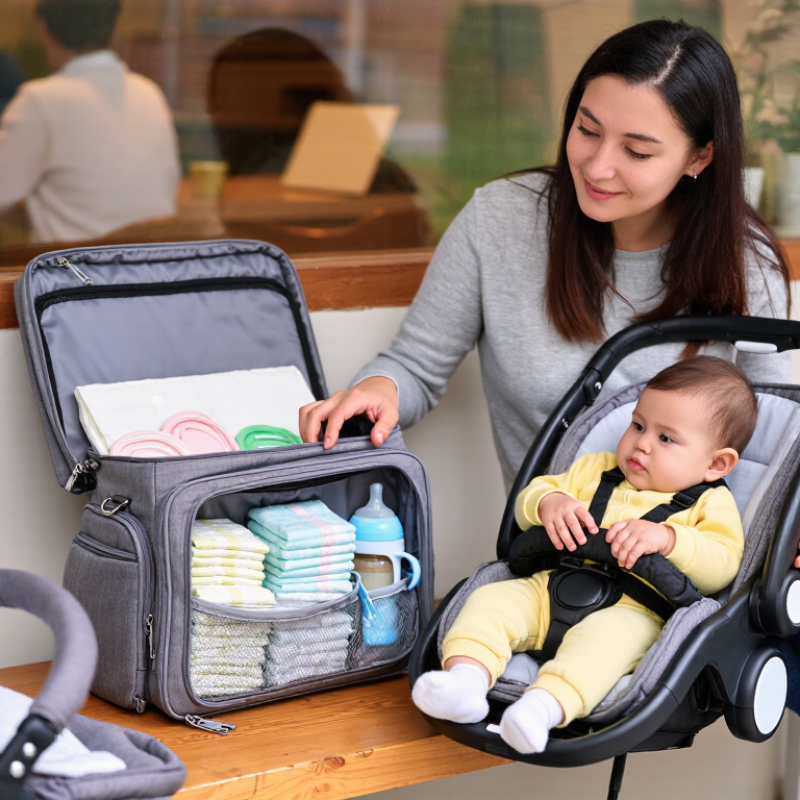
A parent’s short trip can change quickly. A clean diaper is suddenly needed beside a café table, while a spare outfit waits at home. A well-organized Diaper Bag keeps everyday essentials within reach: diapers, wipes, a changing pad, a spare layer, and feeding supplies. It can also give each item a familiar place, making hurried searches less stressful. Small details matter.

The need for reliable supplies is not merely anecdotal. The National Diaper Bank Network’s 2023 U.S. Diaper Need Study reported that one in two families with young children experienced diaper need. That finding describes access to diapers, not the effectiveness of any particular bag. Still, it shows why planning for changes away from home deserves attention. A bag cannot solve supply shortages, and it cannot make every outing predictable. It can help caregivers carry what they have and respond more calmly when plans shift.

Practical choices matter more than extra compartments. A bag should feel comfortable when full, open easily with one hand, and keep clean items apart from used clothing. A small pouch for wipes, a labeled bottle, and a rolled spare outfit can save time at a crowded changing station. Not every family needs the same setup. The right Diaper Bag is the one that fits a caregiver’s routine, the child’s needs, and the length of the outing. It is useful, not magic.
Why Is a Diaper Bag Essential for Parents?

What a Diaper Bag Is and What It Holds

A diaper bag is a portable organizer for the supplies a baby may need while away from home. It keeps essentials together, so a diaper change does not require searching through a stroller or car. Most bags have a main compartment, smaller pockets, and space for items that need to stay separate. The layout matters more than how much the bag can hold.

A practical pack might include diapers, wipes, a changing pad, and one change of clothes. Add a burp cloth, tissues, and a sealed bag for soiled clothing. For feeding, carry a clean bottle or age-appropriate snacks, depending on your child’s routine. A small water bottle can help caregivers, too. Pack hand wipes or sanitizer, but keep them away from items that go into a baby’s mouth. Keep clean supplies apart from used ones. It helps.

The right contents change with the outing, weather, and baby’s age. A spare layer is useful on a cool day; extra toys may only add weight. Parents sometimes pack for every possible mishap, then struggle to find the wipes. A short checklist can help, though it may need adjusting after real trips. The bag should feel ready, not overloaded.

Why Is a Diaper Bag Essential for Parents?

What a Diaper Bag Is and What It Holds

This illustrative checklist groups 15 practical items into five categories. A diaper bag keeps everyday changing, feeding, clothing, hygiene, and comfort essentials organized and easy to carry. The counts represent the items listed in this example, not survey data or a required packing standard.

The Daily Care Needs It Helps Parents Meet

A diaper bag supports the small, repeated tasks that shape a day out with a baby. A clean diaper, wipes, and a changing mat make an unexpected stop easier to manage. A spare outfit helps after a leak or messy meal, while a sealable bag keeps damp clothes apart. That matters.

For feeding, parents may pack bottles, properly stored expressed milk, or snacks for an older child, depending on the child’s routine. A burp cloth and water bottle can also be useful. Keep it simple. The right contents vary with the baby’s age, the length of the outing, and access to facilities. Checking supplies before leaving can prevent a stressful search at the bottom of the bag.

A small first-aid pouch with items recommended by a child’s healthcare professional may be helpful. Any medicines should be packed and used according to professional guidance. Keep essentials within reach, not buried under spare blankets. I have found that overpacking can make the bag heavy, and I still sometimes carry things we never use. A quick reset after each outing helps: replace used diapers, remove crumbs, and check that clothes still fit.

How Compartments Keep Essentials Organized

A diaper bag works best when each compartment has a clear purpose. Keep diapers and wipes together, so a change does not turn into a search through snacks and spare clothes. A separate pocket for clean clothing helps protect it from a damp bib or used outfit. Small items, such as cream and a pacifier, can go in a zippered pouch where they are easy to spot.

Quick access matters. Store wipes in an outer pocket, and place a bottle upright in a side compartment to reduce spills. Use an insulated section for milk or food when needed, while keeping personal items, such as keys and a phone, away from baby supplies. A washable pouch can hold soiled clothes until you get home. These small divisions make it easier to find things while holding a restless baby, though they do not guarantee a perfectly tidy bag.

More pockets are not always better. Too many can make it hard to remember where things went, and a layout that works for one outing may fail on another. After a few trips, notice what you reach for most and move it closer to the top. The system may need adjusting. That is normal.

Why Readiness Matters During Outings

A short outing can stretch when a baby needs feeding, changing, or a quiet moment. The CDC’s 2022 Breastfeeding Report Card found that 83.2% of infants born in 2019 had ever been breastfed, while 55.8% were still receiving breast milk at six months. Feeding routines differ, so a useful diaper bag should match the child’s needs: bottles or feeding supplies, clean diapers, wipes, and a spare outfit. Small things matter. Keep essentials in familiar pockets, where they are easy to find with one hand.

Readiness is practical, not perfect. A damp sleeve, a sudden nappy change, or a longer-than-planned bus ride can make a simple trip feel stressful. Pack a small changing mat and a sealed bag for soiled clothes; keep medicines or care items only if your child needs them. Check supplies before leaving, but don’t overpack. The bag can get heavy fast. I still forget something now and then, and that’s a useful reminder: prepare for likely needs, not every possible mishap. CDC infant-feeding guidance notes that newborns commonly feed 8–12 times in 24 hours, though each baby’s pattern varies. That makes a realistic feeding plan especially helpful on early outings.

Features That Make a Diaper Bag Practical

Why Is a Diaper Bag Essential for Parents?

Features That Make a Diaper Bag Practical

A practical diaper bag keeps everyday essentials easy to reach when a baby needs attention quickly. Several roomy compartments can separate clean clothes, diapers, wipes, and feeding supplies. A small zippered pocket helps keep keys and a phone away from damp items. Side pockets are useful for a water bottle or wipes pack. Small details matter.

Comfortable straps make a noticeable difference during a long walk or a crowded appointment. Padded shoulder straps can reduce pressure, while a top handle makes the bag easier to lift from a stroller. A wipe-clean lining is helpful after a spilled bottle, though it may not prevent every stain. That is real life.

Parents may also appreciate a changing pad and an insulated pocket, but these features should not make the bag bulky. A bag that is too heavy can become frustrating before it is fully packed. Before choosing one, consider how much you usually carry and whether the pockets are easy to reach with one hand. A simple layout often works better than extra compartments that are hard to find in a hurry. After a few outings, you may still change what you pack.

Why Is a Diaper Bag Essential for Parents? - Features That Make a Diaper Bag Practical

Feature Why It Is Practical What to Look For Everyday Example
Multiple compartments Separate storage helps keep diapers, feeding supplies, spare clothes, and personal items organized and easier to find. Clearly arranged pockets in a range of sizes, including at least one easy-access compartment. Reach for a clean diaper without searching through spare clothes and snacks.
Wipe-clean or water-resistant materials Spills and everyday messes are easier to manage when the bag’s surface can be wiped clean. Durable fabric with a finish that can be cleaned according to the care instructions. Wipe away a small formula spill after a feeding.
Insulated bottle pockets Insulation can help slow temperature changes in bottles or drinks during an outing; it does not replace safe food-storage practices. Pockets sized for the bottles or cups the family uses and easy to clean inside. Keep a bottle separate from clothes and other items while traveling.
Changing pad A portable, wipeable surface provides a more convenient place to change a diaper when a clean changing surface is not available. A foldable pad that is easy to remove, clean, and store. Use it on a changing table or another suitable flat surface away from hazards.
Comfortable carrying options Different carrying styles can make the bag easier to use while holding a child or moving through busy places. Padded shoulder straps, a comfortable handle, or attachment points compatible with the family’s stroller. Carry the bag on the shoulder while keeping hands available for other tasks.
Wide opening and easy-access pockets A roomy opening makes contents easier to see, while exterior pockets keep frequently used items close at hand. A secure closure that opens widely and pockets for items such as wipes or keys. Take out wipes quickly without unpacking the main compartment.
Spacious but manageable capacity Enough room accommodates outing essentials, while a manageable size helps prevent unnecessary bulk. Capacity suited to the length of outings and the number of children; check the bag’s dimensions before buying. Pack diapers, wipes, a change of clothes, feeding supplies, and a few personal essentials for a day out.
Durable construction Strong seams and dependable closures are useful for a bag that is opened, carried, and packed frequently. Reinforced stitching at stress points, sturdy zippers, and materials appropriate for regular use. Repeatedly open and close the main compartment during a full day away from home.