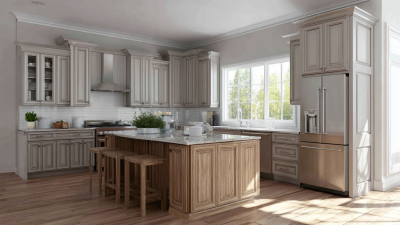
How to Buy the Best Custom Cabinets Online from China?
Buying Custom Cabinets Online can widen your choices, but a polished product photo cannot reveal every fit or finish. Measurements, material specifications, delivery terms, and installation support matter just as much as style. The stakes are real: Houzz’s 2024 U.S. Kitchen Trends Study reported a median spend of $55,000 for major kitchen remodels in 2023, up from $45,000 in 2022. That figure covers the full remodel, not cabinets alone, but it shows why careful comparison matters.
The National Kitchen & Bath Association (NKBA) publishes kitchen-planning guidance for homeowners and design professionals. NKBA CEO Bill Darcy is an industry leader, but without a verifiable source for his exact words, I won’t invent a quotation and attribute it to him. A sound buying principle is simple: match the quote to a dimensioned plan and written specifications. Check cabinet-box construction, door materials, finishes, hardware, warranty coverage, shipping, and the process for damaged parts. Ask for samples before committing. Feel the finish under daylight; inspect a door edge and hinge, not just a screen image.
Online buying can be efficient. It can also leave gaps. A vendor’s attractive rendering may not account for uneven walls, filler panels, or appliance clearances. This guide explains how to compare suppliers, verify measurements, and review quotes before ordering. One detail is easy to underestimate: returns on made-to-order cabinets may be limited. Read the terms before paying.
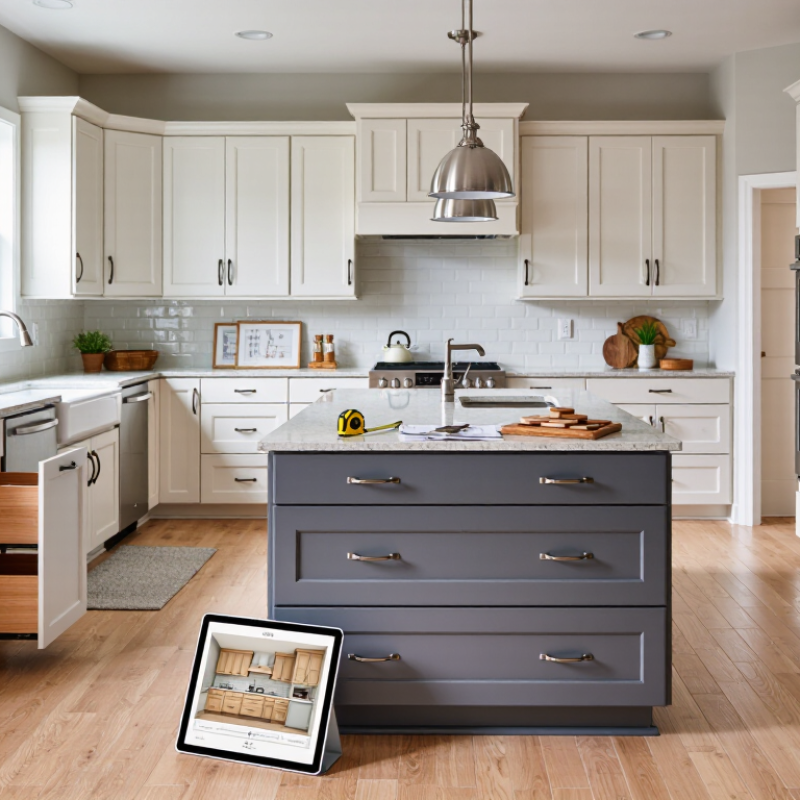
Define Your Cabinet Requirements, Measurements, and Budget
Before requesting quotes, list every cabinet you need, including pantry units, corner storage, and bathroom vanities.
Note the desired door style, finish, drawer layout, and interior accessories. A simple sketch helps explain how the cabinets should work together. Small details matter. A deep drawer may suit pots, while adjustable shelves can handle changing pantry needs.
Measure each wall at floor, counter, and ceiling height, since walls are rarely perfectly straight.
Record window and door positions, appliance dimensions, plumbing, outlets, and ceiling height. Use one unit of measurement throughout, and label every measurement clearly. For an online order, send a dimensioned plan with clear photos. Even careful measurements can miss a bowed wall; allowing space for a filler is usually safer than forcing a cabinet into place.
Set a realistic budget that includes more than the cabinet price.
Ask for separate costs for packaging, delivery, installation, hardware, and any finishing work. Confirm what the quote includes, such as hinges, handles, and panels. Keep a contingency for small changes. This part can feel overly cautious, but comparing detailed quotes is more useful than comparing headline prices. If one measurement is uncertain, recheck it before approving production.
Research and Verify Chinese Cabinet Manufacturers
Researching a Chinese cabinet manufacturer takes more than browsing polished product photos. Check the company’s registered business details, operating address, and stated manufacturing scope. Ask for a live video tour showing the cabinet workshop, panel-cutting equipment, assembly area, and finished goods. A brief, specific tour is more useful than a generic promotional clip. Request recent project examples with dimensions, materials, and installation locations. Where possible, speak with a past buyer. Verify certificates with the issuing organization, and confirm they apply to the materials and destination market you need. A certificate image alone proves little. This check is not foolproof.
Before paying a deposit, request shop drawings and a written specification. Confirm cabinet dimensions, board thickness, finish, edge treatment, hardware, and acceptable tolerances. Ask for a door sample to inspect color and surface texture in natural light. Review packaging details, inspection procedures, production timelines, and shipping terms in writing. Compare quotations line by line; an unusually low price may omit accessories, protective packing, or quality checks. Keep questions in one email thread and note who approves drawing changes. Small misunderstandings can become expensive. Even careful research cannot remove every risk, so agree on a clear process for resolving defects before production begins.
Compare Customization Options, Materials, and Quotes
When comparing custom cabinet options online, send every supplier the same room measurements and a simple layout. Include ceiling height, wall lengths, appliance sizes, and the locations of pipes or outlets. Ask how drawers, shelves, corner units, and door styles can be adjusted. Small details matter.
Compare materials by construction, not just by labels. Solid wood, plywood, and MDF behave differently in humid kitchens and painted finishes. Ask for panel thickness, edge treatment, hardware specifications, and finish samples. A small sample can reveal color and texture better than a screen image. Not always obvious.
Request an itemized quote showing cabinet dimensions, materials, hardware, packaging, and shipping terms. Check whether the price includes drawings, sample costs, or installation guidance. A low quote may leave out details that appear later. Confirm how changes affect cost and production time, and ask for drawings before approving the order. Even a careful comparison can miss an assumption; note unclear items and request written answers. Keep revisions in one dated file.
Confirm Samples, Contracts, Payment Terms, and Shipping
Before paying a deposit, request a sample door or finish panel made with the proposed materials. Check its color in daylight and under warm kitchen lighting; screens often distort both. Keep it physical. Compare the sample with the approved color code, finish, and edge treatment. If dimensions matter, ask for a small cabinet mock-up or a detailed drawing with measurements.
Put the approved specifications into the contract, including cabinet dimensions, board thickness, hardware, finish, and packaging. Attach dated drawings and sample photos, and describe how revisions will be confirmed in writing. Details matter. Set payment milestones tied to clear steps, such as drawing approval, production progress, and a pre-shipment inspection. Avoid paying the full balance before checking the completed order. Inspection photos can help, but they cannot show every detail.
Confirm the shipping terms in writing, including the named delivery point and who arranges freight, insurance, and customs clearance. Ask for the estimated production and transit times separately. Delays happen. Request crate dimensions, gross weight, and protective-packaging details before shipment, especially for glass fronts or long panels. Have the supplier label each crate by room or cabinet number. A small labeling mistake can make installation slower than expected. Review every document carefully; some details are easy to miss when a quote looks complete.
How to Buy Custom Cabinets Online from China
Buyer checklist: verify samples, contract terms, payment conditions, and shipping details.
The bars count practical checks in this checklist, not market statistics: samples (4)—dimensions and materials, finish and color, hardware, packaging and inspection; contract (5)—specifications and drawings, tolerances, quantity and price, production dates, inspection and remedies; payment (4)—deposit, milestone balance, fees and payment method, release conditions; shipping (5)—Incoterm and cost allocation, packing, documents, insurance, customs and delivery responsibilities. Confirm each item in writing before placing an order.
Track Production and Inspect Cabinets Upon Delivery
Ask the supplier for a written production schedule with clear checkpoints: cabinet-box assembly, door finishing, hardware fitting, and final packing. Request dated photos or short videos at each stage. A close-up of a drawer runner or door edge can reveal more than a wide workshop shot. Keep measurements, finish samples, and approved drawings in one file so updates are easy to compare.
Use a video call for a live inspection before shipment, if practical. Check cabinet dimensions, door alignment, shelf-pin holes, finish consistency, and hardware quantity against the approved specifications. Open one representative carton on camera. Look for corner protectors, foam, and labels that match the room plan. Photos help, but they can hide a warped panel or a color shift. They are not a full inspection.
At delivery, photograph every carton before moving it, especially crushed corners or torn wrapping. Compare the carton count with the packing list, then inspect visible surfaces and parts before signing any receipt that confirms everything arrived in good condition. Note damage clearly and contact the supplier promptly with photos and order details. Keep the packaging until missing parts or damage are resolved. This takes time. It can feel overly careful, and a rushed delivery makes it harder to check each box properly.