Who Are the Top Cabinet Makers in the World?

Who Are the Top Cabinet Makers in the World? The answer depends on what “top” means. Some buyers value precise joinery and durable finishes. Others need flexible storage, responsible materials, or a distinctive design. The strongest Cabinet Makers balance these needs without treating every kitchen like a showroom.

Industry reports help explain why the choice matters. The NKBA’s 2024 Kitchen Trends Report tracks changing priorities in kitchen design, including storage, materials, and finishes. Houzz’s 2024 U.S. Kitchen Trends Study reported a median spend of $55,000 for major kitchen remodels, underscoring the scale of many renovation decisions. That figure describes U.S. projects, not a global price benchmark. It also cannot tell you which cabinetmaker will suit your home.

As NKBA CEO Bill Darcy has described the kitchen, it is “the heart of the home.” That idea helps frame this guide: cabinetry is not merely a row of doors. It is the drawer that closes smoothly each morning, the shelf that fits a family’s dishes, and the finish that still looks considered years later. A beautiful sample can hide weak construction. And a famous name is no guarantee of a perfect fit.

This article compares leading makers by craftsmanship, customization, materials, design range, and service. It considers established European workshops alongside major international brands. There is no single winner for every budget or room. The rankings deserve scrutiny, too; public product details do not always reveal long-term repairability.
Who Are the Top Cabinet Makers in the World?

What Defines a Top Cabinet Maker?

A top cabinet maker is defined less by polished photos than by how well the work fits daily life. They measure twice, check walls for out-of-square corners, and plan clearances around doors, appliances, and drawers. Good makers explain why a material suits a room’s humidity and expected use. They can describe joinery, finish choices, and maintenance without hiding trade-offs. A cabinet that looks flawless on day one may still fail if its hinges loosen or shelves sag. Small details matter.

Tips: Before hiring, ask to see a finished project after several months of use. Open drawers, inspect edge seams, and ask how adjustments are handled. Request a clear scope, material description, timeline, and written care guidance. Ask directly. Listen for specific answers, not confident promises.

Skill also shows in the questions a maker asks: what you store, how often you cook, and which items need easy reach. A careful maker will flag awkward designs, even when they could simply accept the order. Still, craftsmanship is not perfection. Wood moves, paint can chip, and rushed installation can spoil excellent shop work. The strongest professionals acknowledge these risks and explain how they reduce them. A candid conversation is reassuring; an overly smooth one can leave gaps.
How Cabinet Makers Are Ranked Worldwide

Worldwide rankings of cabinet makers are most useful when they explain their methods, rather than simply publish a numbered list. A reliable comparison considers documented project quality, material choices, consistency, and customer feedback across different markets. A cabinet may look flawless under warm showroom lights. Its doors should still align after years of use and seasonal humidity changes.

Evaluators can examine joinery, edge finishing, drawer movement, and how evenly doors close. They may also review completed projects, written warranties, and independently collected customer experiences. A fair assessment accounts for local conditions: timber availability, climate, building styles, and typical budgets vary widely. A small workshop may deliver exceptional precision, while a larger maker may offer steadier production. Neither scale alone proves quality.

Rankings should disclose when evidence was gathered and how each factor was weighted. That matters. Buyers can ask to inspect a finished sample, check drawer gaps with a simple ruler, and speak with recent customers. Still, some judgments remain subjective. A polished finish is easy to photograph; long-term durability is harder to verify. Even thoughtful rankings have limits, so their evidence and criteria deserve as much attention as their final order.

Who Are the Top Cabinet Makers in the World?

How Cabinet Makers Are Ranked Worldwide

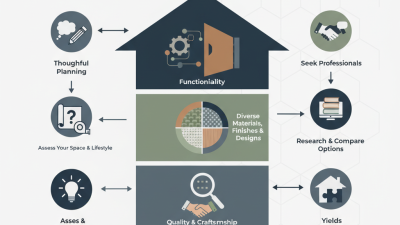
This chart presents a suggested evaluation framework, not a factual ranking of companies. It gives the greatest weight to build quality, materials, and design, while also considering sustainability, customization, and international service. No company or brand data is shown.

Leading Cabinet Makers by Region

The strongest cabinet makers differ by region because homes, materials, and production methods differ. Grand View Research estimated the global kitchen-cabinet market at about USD 88.7 billion in 2023, with North America the largest regional market. That scale supports a broad mix of custom workshops and factory-made systems. In the United States and Canada, compare makers by joinery, finish durability, and how accurately they measure uneven walls—not just by showroom appearance. Small gaps matter.

Across Europe, established woodworking traditions meet tighter expectations for compact layouts and efficient material use. Buyers should inspect drawer alignment, edge treatments, and how makers handle repairs years later. In Asia, large manufacturing networks support varied price points and faster production, while local workshops often adapt designs to regional homes and materials. Capacity is not the same as quality. A factory’s consistency still depends on moisture control, hardware selection, and inspection at each production stage.

Regional rankings are imperfect. A maker strong in high-volume kitchens may be less suited to a one-off renovation. NKBA’s 2024 Kitchen Trends Report reflects North American design professionals, so its findings should not be treated as a global scorecard. Ask for a written specification, material samples, and references from completed projects. Check the inside, too: cabinet backs and drawer boxes reveal workmanship more clearly than polished doors. Reports describe markets; they cannot verify a specific workshop’s daily standards.

Signature Styles and Manufacturing Specialties

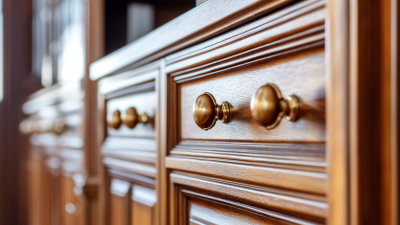
The world’s leading cabinet makers are distinguished less by a single look than by how well their methods suit a room. Some specialize in quiet, precise cabinetry, with flush doors, narrow reveals, and carefully matched wood grain. Others favor expressive details, such as framed panels, carved edges, or painted finishes. These choices reflect different traditions and practical needs, not a universal ranking.

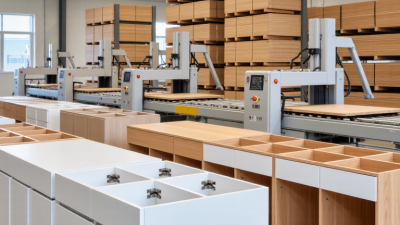
Manufacturing specialties reveal more than surface style. A workshop focused on solid wood may select boards by grain and color, then build doors that allow for seasonal movement. Another may excel at veneered panels, producing consistent patterns across broad surfaces. High-volume makers can offer reliable dimensions and repeatable finishes, while smaller studios may adapt each cabinet to uneven walls or unusual storage needs. The distinction matters. A beautifully finished door is only one part of a cabinet; joinery, hardware alignment, and installation also affect daily use.

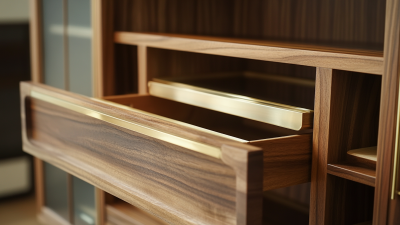
Finish samples deserve close inspection in natural light. So do drawer movement, exposed edges, and the meeting lines between doors. Yet style labels can mislead. “Traditional” and “modern” say little about durability or repairability. Even experienced makers can misjudge a timber’s color shift or a room’s changing humidity. Buyers should ask how materials are sourced, how finishes are maintained, and what can be repaired later. A modest, well-fitted cabinet may serve better than an ornate piece that ignores the room.

Who Are the Top Cabinet Makers in the World? - Signature Styles and Manufacturing Specialties

Country or Region Recognizable Style Common Materials and Construction Manufacturing Specialties
Italy Contemporary design, streamlined forms, and carefully coordinated finishes Wood veneer, lacquered surfaces, solid-wood details, and engineered panels Design-led kitchen and interior cabinetry, detailed surface finishing, and combinations of materials
Germany Functional, precise, and often minimalist Engineered wood panels, durable laminates, veneer, and precision hardware Modular cabinetry, consistent component sizing, efficient production, and accurately fitted storage systems
Denmark and Scandinavia Simple forms, restrained detailing, and an emphasis on natural materials Oak, ash, birch, wood veneer, and painted or clear finishes Clean-lined furniture and cabinetry, careful wood selection, and designs intended for practical everyday use
Japan Minimalist design, visual balance, and close attention to detail Solid wood, veneer, and engineered panels, with precise joints and fittings Fine joinery, compact storage solutions, and accurately made components for space-efficient interiors
United States A broad range, from traditional framed cabinets to contemporary frameless designs Hardwoods, plywood, medium-density fiberboard, and decorative veneers Custom and semi-custom cabinetry, face-frame construction, and a wide choice of door and finish options
United Kingdom Bespoke fitted cabinetry, including traditional framed and Shaker-inspired designs Hardwood, plywood, painted finishes, and veneered panels Made-to-measure storage, fitted interiors, and cabinetry adapted to individual room dimensions
France Ranges from understated contemporary cabinetry to more decorative classical work Solid wood, veneer, painted surfaces, and decorative hardware Detailed finishing, made-to-measure interior work, and cabinetry that integrates with architectural features
China Styles vary widely, reflecting both domestic design preferences and international markets Engineered panels, veneer, laminates, and solid wood in selected product lines Large-scale production, CNC machining, component manufacturing, and a wide range of cabinetry formats

This overview compares established cabinetmaking traditions and manufacturing strengths by region; it is not a ranked list of individual makers.

How to Compare Cabinet Makers for Different Projects

Who Are the Top Cabinet Makers in the World?

Choosing a cabinet maker depends on the project, not just reputation. A kitchen renovation needs moisture-resistant finishes, accurate measurements, and drawers that can handle daily use. A built-in bookcase calls for different skills, such as scribing panels to uneven walls. For a bathroom vanity, ask how the maker protects edges and joints from splashes. Fit matters. Compare similar projects, not just polished portfolio photos. Ask who measures, builds, installs, and handles adjustments if a door does not sit square.

Tips: Request a written quote that separates materials, hardware, installation, and delivery. Ask to see a sample door or finish under natural light. Check whether the proposed timeline includes measurement and site preparation. Ask for references from projects with similar dimensions and use. Small details matter.

For a tight budget, compare durable standard materials before choosing custom features. For an unusual room, prioritize precise site measuring and clear drawings. Confirm how the maker manages changes, since even careful plans can miss an awkward pipe or sloping floor. It is easy to focus on the lowest price; that can be a mistake if the scope is unclear. Get the materials, tolerances, finish, and warranty terms in writing. A good fit is practical, not merely impressive.