How to Choose the Best Home Cabinets for Your Home?

Choosing the best Home Cabinets is not only a style decision. It is a daily-use decision that affects storage, movement, cleaning, and comfort.

Christopher Peacock, founder of Christopher Peacock Cabinetry, is often associated with the design belief, “The kitchen is the heart of the home.” That idea matters when choosing cabinets for any room. A beautiful door can lose its appeal if drawers stick, shelves sag, or handles feel awkward. Good cabinets should match your habits, not only your color palette. Think about where heavy pans belong, how much clearance appliances need, and whether children can reach low storage safely. Small details matter.

Material quality deserves careful attention. Solid wood, plywood boxes, durable laminates, and reliable soft-close hardware can perform differently over time. Moisture near a sink may expose weak construction quickly. Measure walls twice. Check corners, plumbing, ceiling height, and appliance openings before ordering. A few centimeters can change the entire installation. I have seen homeowners focus so heavily on appearance that they overlook ventilation or usable drawer depth. That is an easy mistake, and an expensive one.

This guide explains how to compare construction, layout, finishes, hardware, and installation requirements. It also considers budget without pretending that the lowest price is always the best value. Your ideal Home Cabinets may not look perfect in a showroom. They should work perfectly in your real home. Some compromises are unavoidable. The goal is choosing the ones you can live with comfortably.
How to Choose the Best Home Cabinets for Your Home?

Define Your Cabinet Needs, Space, and Household Requirements

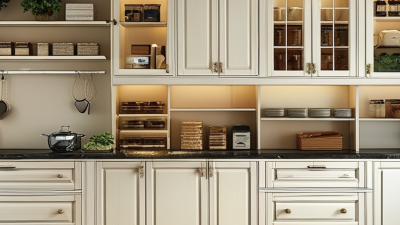
Choosing the best home cabinets begins with defining how your household actually lives. Count cookware, appliances, cleaning supplies, and daily dishes before choosing door styles. A family that cooks nightly needs deeper drawers, stronger hardware, and wider work zones. Occasional cooks may prefer open shelving and fewer cabinets.

Measure every wall, corner, window, outlet, and doorway. Record ceiling height and plumbing locations. A 24-inch-deep base cabinet can restrict movement in a narrow kitchen, especially near an island. Leave clear walking space, and check appliance doors before finalizing the layout. Small errors become expensive.

The National Kitchen and Bath Association’s 2024 design research continues to identify storage and functional planning as major kitchen priorities. Houzz’s 2024 U.S. Kitchen Trends Study reports median spending of about $60,000 for major kitchen remodels and $20,000 for minor remodels. Those figures show why accurate planning matters. Cabinet replacement is not a casual purchase.

Think about tomorrow, not only today. Pull-out shelves help older adults and reduce bending. Soft-close drawers protect contents and lower noise in busy homes. Adjustable shelving can accommodate changing appliances, though it may reduce maximum storage slightly. That trade-off is easy to overlook.

Measure twice. Still, plans can fail. A designer’s review, installation drawings, and an on-site verification can catch uneven walls, hidden pipes, or insufficient ventilation before production begins. Budget for fillers, trim, delivery, and installation, not just cabinet boxes.
Compare Cabinet Materials, Construction, and Durability

How to Choose the Best Home Cabinets for Your Home?

Compare Cabinet Materials, Construction, and Durability

Cabinet material matters most where water and daily contact meet. Solid wood can be repaired, but it moves with changing humidity. The USDA Forest Products Laboratory’s Wood Handbook places the fiber-saturation point of most wood near 30% moisture content; below that point, wood can shrink or swell. Plywood cabinet boxes generally hold fasteners well, while particleboard costs less but needs careful protection from leaks. Look closely beneath the sink. A swollen edge is a warning sign.

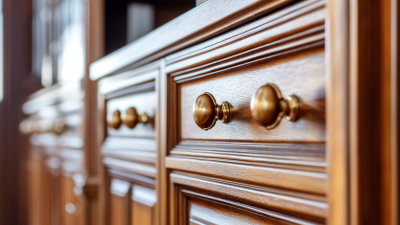
Construction deserves equal attention. Check whether corners are securely joined, shelves resist sagging, and drawer slides feel steady when fully extended. The Kitchen Cabinet Manufacturers Association’s ANSI/KCMA A161.1 standard evaluates cabinet strength, operation, and finish resistance through performance tests. Ask whether the cabinets were tested to this standard, and request written care instructions. No material is maintenance-free. I would still inspect the cabinet edges in person; glossy samples can hide rough seams.

Tips: Compare samples beside your sink, not just under showroom lights. Wipe a small area with water, then check the edges for swelling or finish changes. Ask about box material, joinery, hardware, and warranty coverage. A strong door cannot compensate for a weak cabinet box.

Choose a Cabinet Style That Matches Your Home’s Design

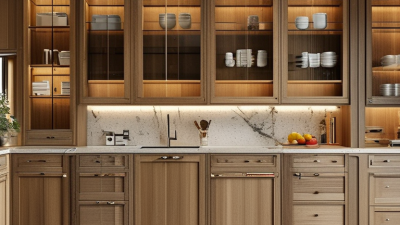
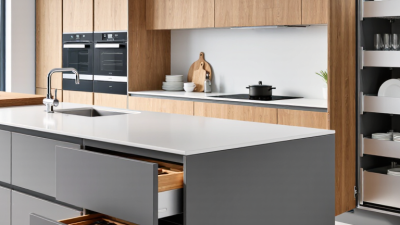
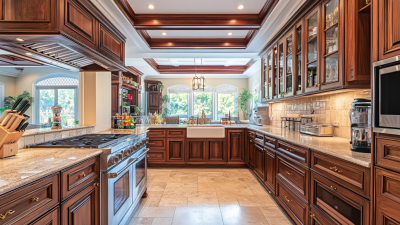
A cabinet style should feel connected to the rooms around it, not copied from a showroom display. In a traditional home, framed doors, warm wood, and modest hardware can echo existing trim. A modern interior may suit flat-front doors, clean lines, and a quieter finish. Look closely at fixed details, such as floor color, window frames, and the shape of nearby doorways. These clues often matter more than a passing trend.

Scale matters, too. Tall, ornate cabinets can overwhelm a compact kitchen, while very plain fronts may feel out of place in a home with detailed molding. Bring home finish samples and view them beside your counters in morning and evening light. Small differences show up quickly. I learned that the hard way: a gray sample looked soft in the store, then turned noticeably blue beside our flooring. Not ideal. Consider how you use the room as well as how it looks. Open shelving may suit a relaxed space, but it asks you to keep displayed items tidy. If your home mixes styles, choose one cabinet detail—perhaps a door profile or wood tone—to repeat. It may not look perfectly coordinated at first, and that can be worth reconsidering before ordering.

How to Choose the Best Home Cabinets for Your Home? — Choose a Cabinet Style That Matches Your Home’s Design

Home Design Cabinet Style Common Door Details Finishes and Colors to Consider Why the Pairing Works
Traditional Raised-panel or classic framed cabinetry Decorative center panels, framed fronts, and optional applied molding Warm wood stains, cream, soft white, or muted greens Profiled doors and warm finishes complement the layered trim and formal details often found in traditional rooms.
Modern Flat-panel, often called slab, cabinetry Smooth, unembellished fronts; integrated pulls or simple hardware Matte white, charcoal, black, natural wood, or restrained color accents Clean fronts and minimal ornamentation support a streamlined look and keep visual detail to a minimum.
Contemporary Flat-panel or lightly detailed cabinetry Simple lines, discreet hardware, and occasional mixed materials Warm neutrals, wood tones, soft gray, or contrasting two-tone finishes Flexible forms and finishes suit contemporary spaces, which can combine current materials with a range of shapes.
Farmhouse Shaker-style or beadboard cabinetry Recessed center panels, straightforward frames, or narrow vertical grooves White, cream, muted blue or green, and natural wood Simple framed doors pair well with practical, relaxed interiors and can be balanced with wood or metal accents.
Coastal Shaker-style or simple flat-panel cabinetry Uncomplicated profiles with minimal decorative trim White, pale blue, sea-glass green, light gray, or pale wood Light colors and restrained detailing help create an airy feel without relying on ornate door profiles.
Craftsman Shaker-style or simple framed cabinetry Square edges, sturdy frames, and limited ornamentation Oak, maple, other natural wood tones, or earthy painted colors Visible wood character and straightforward construction complement the emphasis on natural materials and honest detailing.
Transitional Shaker-style cabinetry Simple recessed panels with clean, lightly defined frames White, greige, navy, medium wood tones, or soft gray The restrained profile bridges traditional and modern details, making it adaptable to mixed styles.

Selection tip: Compare door samples with your flooring, countertops, trim, and room lighting. Color and wood grain can look different under natural and artificial light.

Evaluate Storage Features, Sizes, and Interior Organization

Before choosing home cabinets, list what each room needs to store. A kitchen may need space for tall cereal boxes, heavy pans, and daily plates. A bathroom often needs shallow shelves for small bottles and spare towels. Measure the items, not just the room. Measure twice. Record cabinet width, depth, and height, then check door swings, appliance clearance, and walking space. A deep cabinet can hold more, but small items may disappear at the back. It is easy to overestimate how much storage you need; I would leave some room for changing routines.

Plan for real useMeasure stored items, cabinet dimensions, clearances, and walking space before settling on a layout.

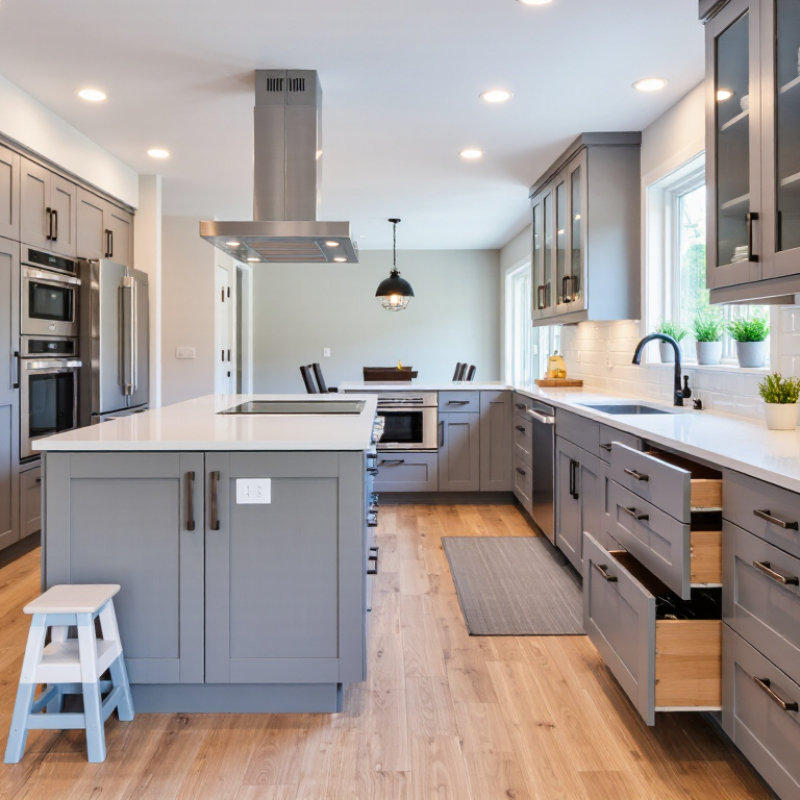
Look closely at interior organization. Adjustable shelves can accommodate changing item heights, while full-extension drawers bring cookware into view without awkward reaching. Pull-out trays may help in lower cabinets, but their hardware uses some interior space. For corners, compare rotating shelves with pull-out systems and consider what you can comfortably reach. Keep frequently used items near the front, and store heavier objects lower to reduce lifting strain. Check shelf load limits and choose finishes that are practical to wipe clean, especially near sinks and cooking areas. A neat layout on paper may still feel cramped once real containers are inside, so test measurements with a few boxes before settling on a configuration.

Set a Budget and Verify Installation Requirements

How to Choose the Best Home Cabinets for Your Home?

Choosing home cabinets starts with a realistic budget, not a tempting showroom figure. In renovation work, I have seen homeowners price doors and forget hinges, fillers, delivery, and installation. List every expected cost before choosing a finish or layout. Reserve 10 to 15 percent for surprises. Old walls are rarely straight, and small errors become expensive quickly.

Verify the installation requirements before placing an order. Measure each wall at the floor, countertop, and ceiling levels. Record windows, doors, outlets, pipes, vents, and appliance openings. Confirm whether the installer handles plumbing, electrical adjustments, trim, and waste removal. These services may require separate professionals or additional approval. Ask for a written installation scope, including preparation, leveling, fastening, and final cleanup. Do not rely on a verbal promise.

Cabinets also need a suitable support structure. Inspect the wall for studs, moisture damage, and uneven flooring. Heavy wall units need secure attachment, especially above work surfaces. Check door swing clearance beside refrigerators, corners, and walkways. I once underestimated a corner gap and had to revise the layout, which delayed the countertop. My measurements were careful, but not careful enough. Leave room for imperfect walls, future repairs, and comfortable movement. A slightly simpler layout may protect both your budget and installation schedule.