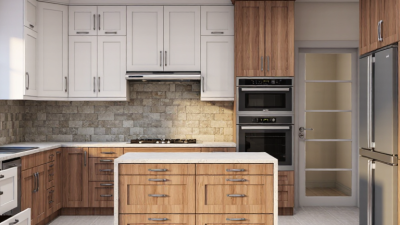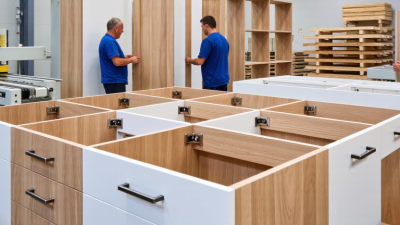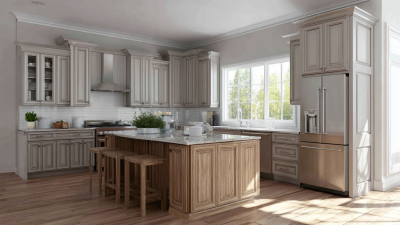
Choosing who makes the best Custom Made Cabinets in China depends on more than price or polished showroom photos. The right manufacturer should turn a clear brief into cabinets that fit real rooms, daily routines, and project budgets. Look closely at construction details: straight, even door gaps; smooth drawer movement; clean edge banding; and finishes that appear consistent under natural light. Ask how the factory confirms measurements, checks materials, and handles changes before production. Small details matter.
A reliable comparison also considers communication, production capacity, sample quality, packaging, and after-sales support. Request recent project photos, material specifications, and a written quotation with itemized inclusions. If possible, inspect a sample or arrange an independent factory review. Clear evidence is more useful than broad claims. Experience, technical knowledge, and transparent processes help distinguish a capable cabinet maker from a supplier that simply offers attractive prices. Still, no workshop is perfect. A sample may look excellent while a full order reveals color variation or a fit issue. That possibility deserves attention, not alarm.
This guide explores how to assess Chinese cabinet manufacturers and match their strengths to different needs, from compact apartments to large residential projects. It also considers practical questions buyers should raise before placing an order. The best choice is not always the biggest factory or the cheapest quote. It is the maker whose workmanship, documentation, and communication hold up under careful review. The decision takes patience. And a little skepticism.
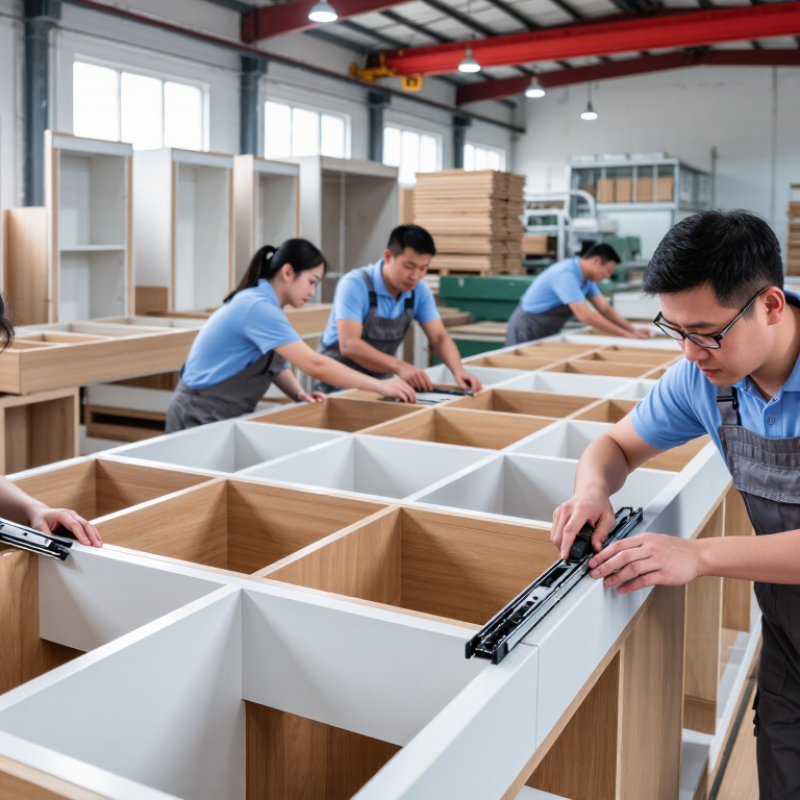
The best custom-cabinet maker is judged by more than appearance; accurate planning and careful production matter just as much. The process usually starts with a site survey. Workers record wall lengths, floor levels, corners, and plumbing positions, then confirm how each cabinet will be used. A design plan specifies dimensions, storage, door style, finish, and hardware before materials are cut. Measure twice.
A cabinet order may include base and wall units, pantry storage, drawer inserts, hinges, handles, and finished side panels. Depending on the design, materials can include plywood, engineered board, solid wood, or a mix. Cut panels are edged, drilled, and assembled; doors and drawers are fitted before sanding and finishing. Finish samples help, though lighting can make the final color look different at home.
Reliable production also includes checking measurements, alignment, surface quality, and hardware movement before packing. Still, even detailed drawings can miss an uneven wall or an outlet hidden behind a shelf. Confirming these details before fabrication can prevent awkward gaps and costly changes. During installation, fitters level the cabinets, secure them, and adjust doors and drawers. A precise handover includes care instructions and a clear record of any remaining adjustments.
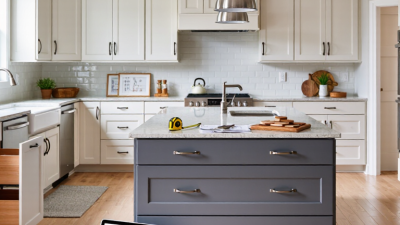
The best manufacturer is not simply the one with the lowest quote. Compare makers using the same drawings, dimensions, finish samples, and hardware requirements. Ask for a sample door and inspect its color, edge banding, and surface feel in daylight. Details matter. Check whether the quoted materials match the sample and written specifications. Request clear information about panel construction, hardware grades, production lead time, packaging, and inspection procedures. A polished showroom is useful, but it cannot prove consistent factory quality.
Tips: Ask for recent project photos and references. If possible, arrange a factory visit or live video call. Confirm that certificates are current and relevant to the products being supplied. Ask how defects, replacement parts, and changes are handled. Get answers in writing.
Look for a team that asks detailed questions about your room, installation conditions, and intended use. Their questions can reveal practical experience. Review shop drawings carefully before approving production; a small measurement error can cause trouble during installation. Compare payment stages and delivery terms, not just the final price. I would not treat a fast promise as proof of capability. Some details may still be missed, so keep a record of approvals and check finished goods against the agreed specifications before shipment.
China’s cabinet industry is shaped by regional manufacturing clusters, each with different strengths. Foshan and nearby parts of Guangdong are known for broad cabinet production, including kitchens, wardrobes, and integrated storage. The region’s dense supplier network can make finishes, hardware, and panel options easier to compare. Ask for a physical sample: a glossy door can look different under warm kitchen lighting.
The Yangtze River Delta, including parts of Zhejiang and Jiangsu, has strong woodworking and home-furnishing supply chains. Some manufacturers focus on precise panel processing, custom dimensions, and coordinated interior packages. Shandong and other northern manufacturing areas also produce cabinetry, often serving domestic construction and renovation demand. These patterns are useful clues, not guarantees. A factory’s location alone cannot prove quality.
Look closely at the actual production process. Check whether cabinet boxes, edge banding, hinges, and drawer slides match the project specification. Request measurements, finish samples, and clear drawings before approving an order. Good communication matters. It helps prevent avoidable gaps around appliances and uneven filler panels. One detail is easy to miss: confirm how the supplier handles replacement parts after delivery. Region can narrow the search, but workmanship and documented specifications should decide the choice.
Key regions and specialties in China’s cabinet industry
Guangdong is widely known for its extensive furniture and building-materials manufacturing base, including Foshan’s furniture cluster. Zhejiang and Shandong also have established furniture and wood-products industries. The scores are qualitative comparisons of commonly associated capabilities—not official production figures, market shares, or a ranking of individual manufacturers.
Comparing leading custom cabinet makers in China takes more than checking a showroom finish. Ask for material specifications, construction details, and a written inspection process. Look closely at cabinet backs, drawer joints, edge banding, and hinge adjustment. These details often reveal more than a polished door sample. Details matter.
Quality should be judged against the project’s actual use, not a sales promise. For kitchens, request clear information about panel thickness, surface finish, hardware grades, and moisture protection. Ask whether the factory can provide production drawings and approve a full-size sample before batch work. A good maker explains tolerances plainly and records changes, rather than relying on verbal assurances. Still, one sample cannot predict every shipment. That is worth remembering.
Service becomes visible when plans change or measurements need correction. Compare response times, points of contact, packing methods, and how damage or missing parts are handled. Request dated progress photos and a final checklist tied to your drawings. Experienced teams may spot clashes around plumbing or uneven walls, but they should flag them early and ask before changing dimensions. Some communication can feel slow. Check how questions are tracked and answered.
Choosing the right Chinese cabinet supplier starts with technical documents, not a showroom promise. Request dimensioned shop drawings, a material schedule, hardware specifications, and a finish sample linked to your quotation. Check whether packing, inspection, spare parts, and export delivery are included. Small omissions can become expensive at installation.
Grand View Research estimated the global kitchen cabinet market at US$94.33 billion in 2023 and projected 6.5% annual growth through 2030. Market growth says little about an individual factory’s quality. Ask for recent production evidence from comparable projects. Inspect edge banding, door alignment, and panel thickness. Request dated test reports for the exact board grades offered, then approve a pre-production sample with written tolerances. Keep the records.
Logistics matter too. The World Bank’s 2023 Logistics Performance Index scored China 3.7 out of 5, ranking it 19th among 139 economies. This is a country-level benchmark, not a guarantee from your supplier. Confirm carton dimensions, container loading plans, insurance responsibilities, and shipment milestones in writing. Promises are not proof. I would still allow time for a quality check before dispatch; schedules can slip, even with a detailed agreement.
Whether you’re a homeowner, builder, or designer, you’ll find that our elegant cabinets create a breathtaking space that evokes positive emotions and encourages lasting memories. We invite you to explore our website to learn more about who we are and how we can help you.
Woodinville | Bellevue | Seattle | Kirkland | California | Berkeley | Walnut Creek | Roseville, CA
© 2025 Acadia Craft. Powered by Integrity Marketing Serving Woodinville, Kirkland, Bellevue & The Greater Seattle Area