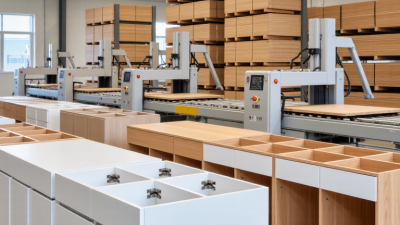
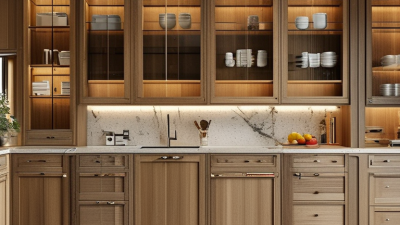
Top Cabinet Manufacturers for Global Buyers
Choosing among the top Cabinet Manufacturers requires more than comparing catalog images or quoted prices. Global buyers must examine cabinet construction, finish durability, hardware quality, production capacity, and the support available after delivery. A glossy door sample can look convincing under showroom lights; ask how its finish handles daily cleaning, sunlight, and repeated use. Small details matter. The designer Charles Eames put it simply: “The details are not the details. They make the design.” His observation offers a useful lens for evaluating cabinet makers, from carefully aligned drawer fronts to hinges that close smoothly.
This guide compares manufacturers through practical questions buyers can verify. What materials are used in cabinet boxes and doors? Can the supplier provide clear specifications, consistent samples, and realistic lead times? How are packaging, freight, installation guidance, and replacement parts handled? Buyers should also check relevant quality documentation and confirm that product claims match the intended market. Requirements vary by destination, so verify them independently rather than relying on a sales brochure.
There is no universal winner. A large factory may offer breadth and volume, while a smaller specialist may provide closer customization. Neither advantage guarantees a good fit. Communication can falter, samples can differ from production, and even a strong supplier may not suit every project. That is worth admitting. Use the comparisons that follow to shortlist Cabinet Manufacturers by project needs, then request written specifications and assess a physical sample before committing.
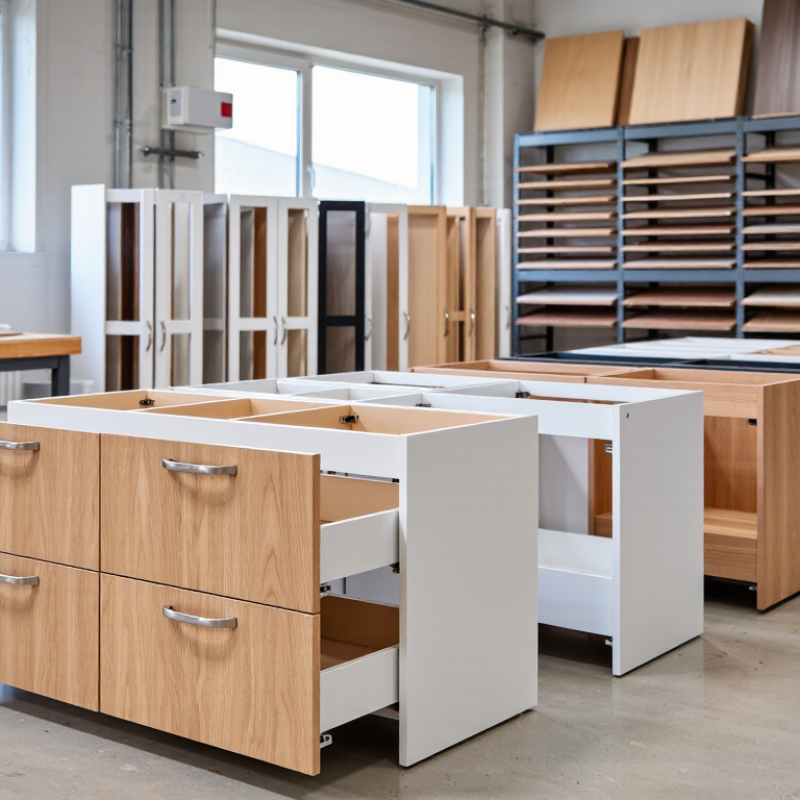
Cabinet Manufacturing: Products, Markets, and Global Supply
Cabinet manufacturing covers more than door styles. Global buyers source kitchen, bathroom, office, and storage cabinets, each shaped by different use patterns. Kitchen units need durable hinges and wipeable finishes. Bathroom cabinets face frequent moisture. Office storage often prioritizes modular sizing and secure drawers. Small details matter.
A capable factory manages material selection, machining, assembly, finishing, and inspection as connected steps. Buyers should ask for panel thickness, edge-banding methods, hardware specifications, and finish samples. A sample door under daylight can reveal color shifts that a screen hides. Ask how defects are recorded and corrected, too. The answer should be specific, not simply reassuring.
Markets differ in dimensions, preferred finishes, packaging needs, and delivery expectations. Clear drawings and approved samples reduce costly misunderstandings across time zones. For global supply, confirm carton protection, pallet layout, production lead times, and inspection checkpoints before orders are placed. These checks are practical, but they cannot remove every risk. A shipment may still arrive with a chipped corner or a shade variation. It is easy to overlook that possibility when comparing prices alone. Strong supplier communication helps, though buyers should keep written specifications and review changes carefully.
How to Evaluate Cabinet Manufacturers for International Projects
Top Cabinet Manufacturers for Global Buyers
How to Evaluate Cabinet Manufacturers for International Projects
Choosing a cabinet manufacturer for an international project takes more than comparing prices and finish photos. Start with the project’s actual conditions: room humidity, installation method, expected use, and delivery schedule. Ask for written specifications covering panel thickness, core material, edge treatment, hardware, and finish. Details matter.
Request a physical sample, not just a digital rendering. Check its color in daylight and under the site’s planned lighting. Open and close the doors repeatedly; inspect hinge alignment, drawer movement, and edge seams. Ask how production tolerances are measured and what happens when a delivered unit differs from the approved drawing. A polished sample is useful, but it cannot prove every production run will match.
For cross-border projects, confirm that packaging protects corners and finished surfaces during long handling and transit. Review lead times, packing lists, installation guidance, and the process for reporting damage or defects. Ask for relevant test reports and destination-market documentation, then verify that they apply to the specified materials and product. Don’t assume a certificate covers every cabinet configuration. Communication is part of quality, too: compare how clearly the team answers technical questions and flags risks. I would still build in schedule room for revisions; drawings often reveal a mismatch only after site measurements arrive.
Leading Cabinet Manufacturers by Region and Product Specialty
Cabinet sourcing works best when region and product specialty are considered together.
North American manufacturers commonly offer framed and frameless options, with practical choices for kitchens, bathrooms, and large residential projects. Ask about drawer-box construction, hinge adjustment, and replacement-part availability. These details matter after installation, not just in a showroom.
European producers are often associated with streamlined layouts and concealed hardware, while manufacturers in East and Southeast Asia serve varied export markets and may offer flexible production volumes. These are broad patterns, not guarantees. A cabinet built for a humid coastal home needs suitable panel materials and edge sealing, wherever it was made. Small details count.
Specialists in custom cabinetry can accommodate unusual dimensions, integrated storage, or distinctive finishes, but complex work may require longer lead times. A sample door can look perfect; the installed run may not. Check finish consistency across several pieces, and ask how tolerances are handled at corners and wall joints. Regional reputation is a starting point, not proof of fit. Compare drawings, material specifications, and written quality checks before choosing a supplier.
Comparing Materials, Customization, Quality, and Production Capacity
For global buyers, cabinet materials should be judged against the room, budget, and shipping conditions. Plywood often offers reliable screw holding, while particleboard can help control cost in dry, stable interiors. Solid wood adds visible grain but may move as humidity changes. Samples can mislead. Ask for the core material, edge treatment, finish specification, and test documents—not just a door sample.
Customization is practical only when it remains repeatable. Confirm dimensions, hinge drilling, drawer loads, finish options, and packaging requirements before approving production drawings. The U.S. EPA’s TSCA Title VI rule sets formaldehyde emission limits of 0.05 ppm for hardwood plywood, 0.09 ppm for particleboard, and 0.11 ppm for MDF. These are useful reference points, not a substitute for checking requirements in the destination market. Request current third-party test evidence tied to the actual panel type.
Quality depends on process control as much as material choice. Ask how the factory checks moisture, panel thickness, finish consistency, and carton strength. Capacity is more than floor space. Compare monthly output with staffing, equipment, lead times, and recent on-time delivery records. A large stated capacity may not reflect available production slots. It is worth checking a pilot order; that step can feel slow, but it often exposes fit or packaging issues before a full shipment.
Global Sourcing Factors: Certifications, Logistics, and After-Sales Support
For global cabinet buyers, certifications matter only when they match the product and supply chain. Ask for current quality-management documents, material test records, and chain-of-custody evidence where responsibly sourced wood is claimed. Verify the certificate number, scope, and issuing body; a certificate alone does not prove that every cabinet component is covered. The World Bank’s 2023 Logistics Performance Index assesses customs, infrastructure, shipment arrangements, logistics competence, tracking, and timeliness. Those same checkpoints help buyers compare suppliers beyond the showroom sample.
Logistics deserve equal scrutiny. UNCTAD’s Review of Maritime Transport 2024 notes that more than 80% of world merchandise trade by volume moves by sea. A late container can delay an entire installation, so confirm packaging dimensions, loading plans, port options, and who handles damage claims. Request photos of carton labels and corner protection before dispatch. Small details matter. I would still treat estimated arrival dates cautiously; port conditions can change after a supplier books space.
Tips: Before placing a bulk order, request a sample, a written spare-parts list, and a named after-sales contact. Set response times and replacement terms in writing, including how missing hinges or damaged doors will be identified. Keep one approved finish sample for comparison. It is easy to overlook color variation under warehouse lighting, and that is a lesson buyers sometimes learn too late.
Top Cabinet Manufacturers for Global Buyers: A Sourcing Check
TSCA Title VI formaldehyde emission limits for composite wood panels commonly used in cabinets
The limits shown are U.S. regulatory requirements for panel materials, not finished cabinets. When comparing suppliers, verify applicable third-party certification and test documentation, then confirm shipping arrangements and after-sales procedures separately. Source: U.S. EPA TSCA Title VI.